
What Causes Heat Pump Total Failure: 2026 Guide
What Causes Heat Pump Total Failure: 2026 Guide
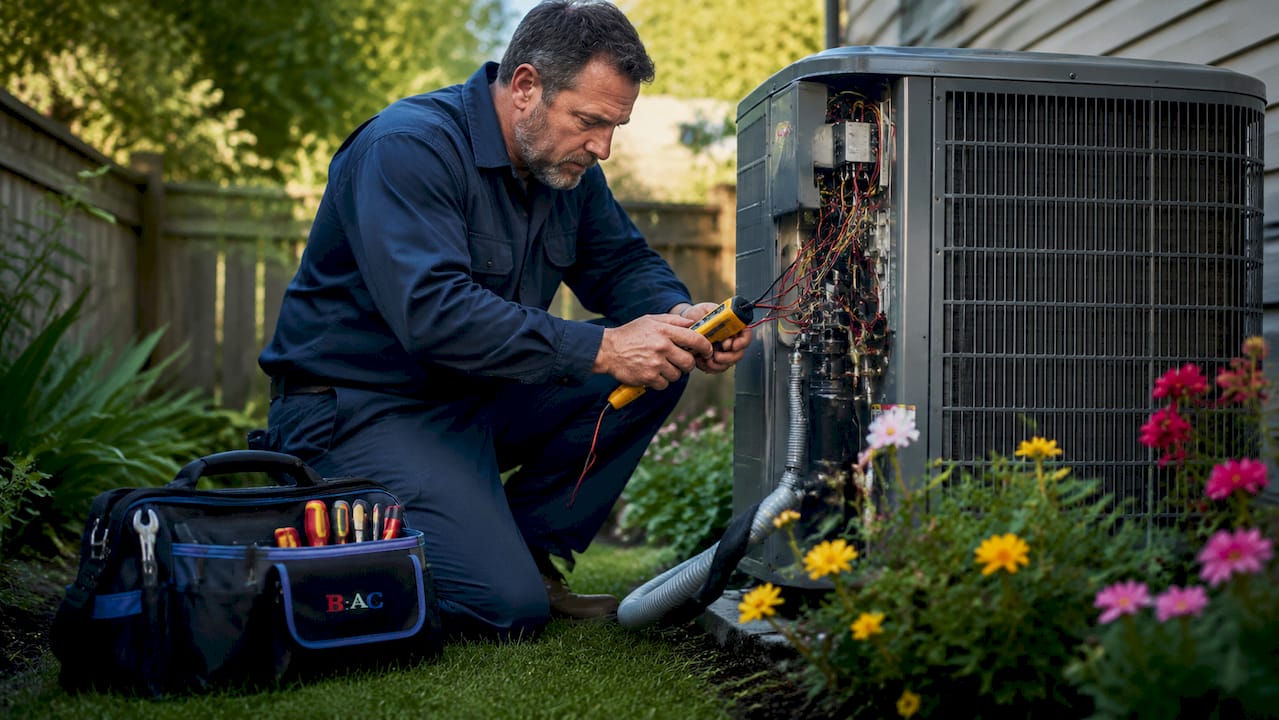
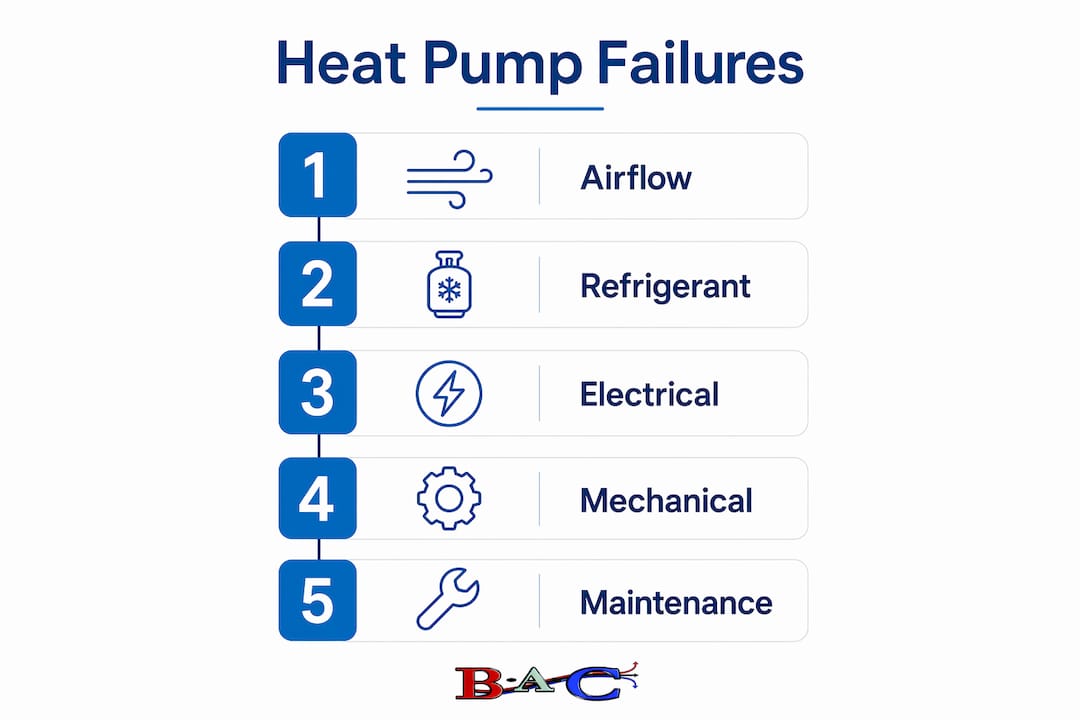
Heat pump total failure is defined as the point where a heat pump stops heating or cooling entirely due to the breakdown of one or more core system components. The three primary causes are airflow restriction, refrigerant circuit failure, and electromechanical component breakdown. Clogged air filters are the single most common trigger, frequently causing compressor overheating and full system shutdown. Understanding what causes heat pump total failure gives you the power to catch problems early and avoid a costly replacement.
What causes heat pump total failure through airflow problems?
Restricted airflow is the fastest path to a dead heat pump. When air cannot move freely through the system, the compressor overheats, safety switches trip, and the unit shuts down completely. Clogged filters cause shutdown by starving the system of the air volume it needs to transfer heat. This is not a gradual inconvenience. It is a direct mechanical failure waiting to happen.
The outdoor unit faces its own airflow threats. Leaves, grass clippings, and shrubs packed against the cabinet block the coil from releasing or absorbing heat. Maintaining two feet of clearance around all sides of the outdoor unit is the minimum standard to prevent airflow obstruction. Debris buildup ranks as a leading secondary cause of heat pump failure, right behind dirty filters.
Signs that airflow is killing your system include:
- Reduced heating or cooling output despite the system running
- Longer run times as the unit struggles to reach the set temperature
- Ice forming on the indoor or outdoor coil
- The system shutting off before reaching the thermostat target
- Musty or burning smells from the vents
Checking your filter takes less than two minutes. Pull it out and hold it up to light. If little or no light passes through, replace it immediately. Most standard filters need replacement every 30–90 days depending on household conditions like pets or dust levels.
Pro Tip: Mark your calendar for filter checks on the first day of each month. Consistent replacement is the single cheapest way to prevent heat pump failure.
Learning how to clean HVAC air vents at home is a practical skill that supports filter maintenance and keeps the whole system breathing freely.
How do refrigerant problems lead to complete heat pump failure?
Refrigerant is the working fluid that moves heat between the indoor and outdoor units. Without the correct charge, the heat pump cannot transfer heat at all. Low refrigerant does not just reduce efficiency. It causes the compressor to run under abnormal pressure conditions until it fails entirely.
A reversing valve stuck in cooling mode is one of the most frequent internal causes of heating failure. This valve switches the refrigerant flow direction to provide either heating or cooling. When it sticks, the system keeps running but delivers no heat, no matter what the thermostat says. Refrigerant leaks produce a similar result by starving the circuit of the fluid it needs.
Signs of refrigerant-related failure include:
- Ice blocks forming on the outdoor coil even in mild weather
- A hissing or bubbling noise near the refrigerant lines
- The system running continuously without reaching the set temperature
- Warm air blowing from vents when heating mode is active
Diagnosing refrigerant problems requires manifold gauges and solenoid tests, tools that go well beyond typical homeowner equipment. The U.S. Environmental Protection Agency requires technicians to hold an EPA Section 608 certification to handle refrigerants legally. Attempting a DIY refrigerant repair without certification is both illegal and dangerous. Call a licensed HVAC technician the moment you suspect a refrigerant issue.
Electromechanical failures that stop a heat pump cold
Electrical and mechanical component failures account for a large share of total heat pump breakdowns. The most common culprits are failed capacitors, worn contactors, tripped breakers, and compressor damage. Each of these can stop the system instantly or cause it to degrade over weeks before full shutdown.
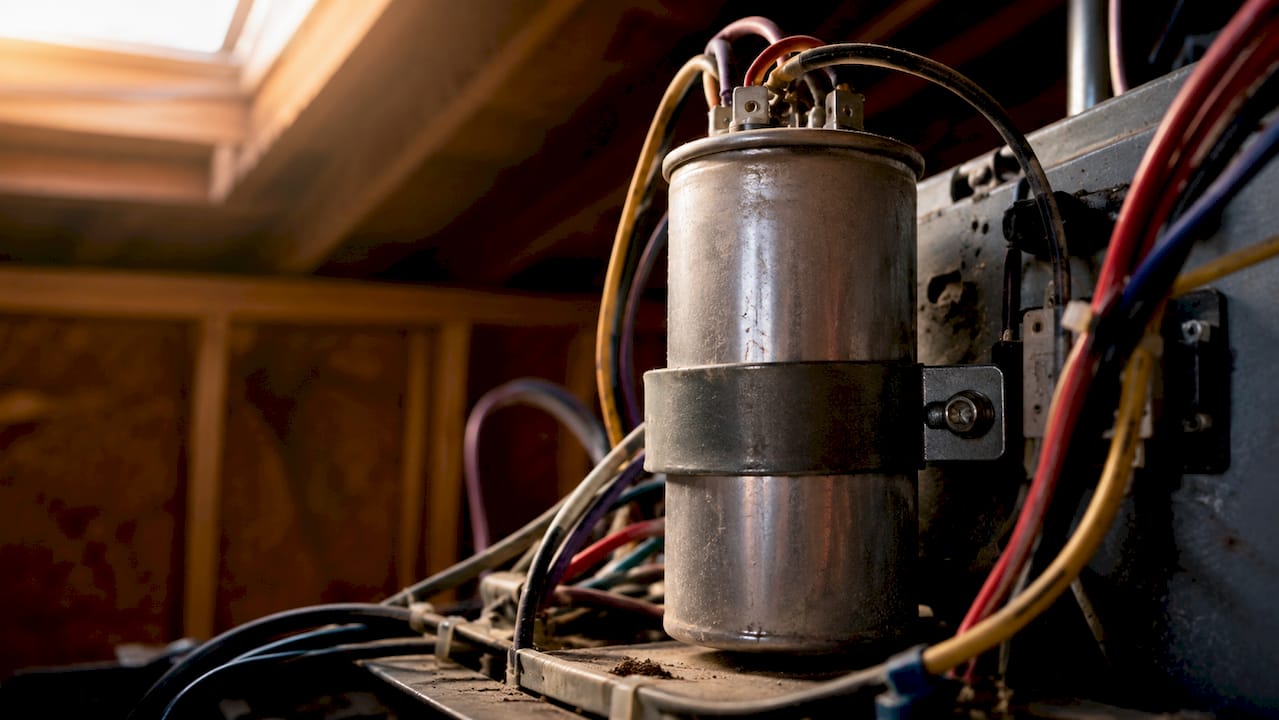
Capacitors give the motors the electrical boost they need to start and run. When a capacitor fails, the motor hums but cannot start, and the system shuts down on overload protection. Contactors are the electrical switches that connect power to the compressor and fan motors. A pitted or burned contactor interrupts that connection and kills the unit.
Thermostat miscalibration or poor placement causes rapid cycling, meaning the system turns on and off far more frequently than designed. That accelerates motor wear and leads to premature total failure. A thermostat mounted near a window, a vent, or a lamp reads false temperatures and never lets the system settle into a normal run cycle.
Warning signs of electromechanical failure include:
- Grinding, clicking, or rattling sounds during startup or operation
- The system starting and stopping every few minutes
- The outdoor unit running while the indoor unit does not, or vice versa
- A burning smell from the air handler or outdoor cabinet
Pro Tip: Before calling a technician, check your circuit breaker panel. A tripped breaker sits in mid-position, not fully on or off. Toggle it fully to the off position first, then back to on. This full reset is required for power to restore properly.
Defrost control board failures also belong in this category. The defrost cycle prevents ice from building up on the outdoor coil in cold weather. When the board fails, ice accumulates until airflow stops and the system shuts down.
How to troubleshoot your heat pump before calling a pro
Approximately 95% of initial heat pump issues are diagnosable through basic checks that any homeowner can perform. Working through this list before calling a technician saves time and money.
- Check the thermostat. Confirm it is set to “heat” mode and the target temperature is above the current room temperature. Replace the batteries if the display is dim or blank.
- Inspect the circuit breaker. Locate the heat pump breaker in your panel. If it is tripped, toggle it fully off then fully on. Wait five minutes before restarting the system.
- Check the air filter. Pull the filter and use the light test. Replace it if it is visibly gray or blocks light. A dirty filter alone can cause a full shutdown.
- Inspect the outdoor unit. Walk outside and look for ice buildup, debris packed against the cabinet, or damage to the fan blades. Clear any visible obstructions.
- Listen and observe. Note any unusual sounds, the length of run cycles, and whether warm air is actually coming from the vents. Write these observations down.
- Check the indoor air handler. Confirm the power switch on the unit is on. Some air handlers have a separate disconnect switch that gets accidentally turned off.
If the system still does not operate after these steps, the fault likely lies with refrigerant, a failed capacitor, a bad contactor, or the compressor itself. Those repairs require professional diagnostic tools and should not be attempted without training. Document everything you observed and share it with your technician. Specific details about sounds, timing, and behavior cut diagnostic time significantly. You can also review a broader common HVAC problems guide to compare symptoms before your service call.
Preventative maintenance to avoid heat pump breakdown
Most heat pump failures are preventable. The systems that fail without warning are almost always the ones that missed routine maintenance for years. A consistent schedule costs far less than an emergency repair or a full replacement.
Core maintenance tasks every homeowner should follow:
- Replace air filters every 30–90 days based on household conditions
- Clear debris and vegetation from around the outdoor unit each season
- Clean the outdoor coil annually with a garden hose on a low setting
- Keep the area around the indoor air handler clear of stored items
- Schedule a professional inspection once per year before the heating season
Annual professional inspections cover refrigerant charge verification, electrical component testing, coil cleaning, and lubrication of moving parts. These checks catch failing capacitors, low refrigerant, and worn contactors before they cause a shutdown. A service maintenance plan locks in regular visits and often includes priority scheduling for emergency calls.
Common maintenance mistakes to avoid include skipping filter changes during mild weather, ignoring unusual sounds because the system still runs, and blocking the outdoor unit with furniture or storage. Each of these shortcuts accelerates wear on components that are expensive to replace.
Key Takeaways
Heat pump total failure is almost always preventable when airflow, refrigerant, and electrical components receive consistent attention before problems escalate.
| Point | Details |
|---|---|
| Airflow restriction is the top cause | Clogged filters and blocked outdoor units are the most common triggers of full system shutdown. |
| Refrigerant issues need a pro | Low charge or a stuck reversing valve requires EPA-certified repair; DIY attempts are illegal and unsafe. |
| Electrical faults stop systems instantly | Failed capacitors, worn contactors, and tripped breakers are frequent causes of sudden total failure. |
| Most early issues are DIY-diagnosable | Checking power, thermostat, filter, and outdoor clearance resolves the majority of initial performance problems. |
| Annual maintenance prevents most failures | A yearly professional inspection catches refrigerant and electrical faults before they cause a breakdown. |
What I have learned after years of watching heat pumps fail
Heat pump failures almost never come out of nowhere. The system gives you weeks of warning through longer run times, strange sounds, or rooms that just will not get warm. The problem is that most homeowners interpret those signs as “the system is getting old” rather than “something specific is wrong and fixable.” That mindset is what turns a $300 capacitor replacement into a $4,000 compressor job.
The repair versus replace question also gets answered wrong more often than it should. Complete heat pump breakdown usually means a component failed, not that the whole system is done. Replacement only makes sense when the unit is very old or the repair cost approaches the price of a new system. A technician who jumps straight to replacement without diagnosing the specific failed component is not giving you the full picture.
The other thing I have seen repeatedly is homeowners who skip the annual inspection because the system “seems fine.” Refrigerant does not leak all at once. Capacitors do not fail overnight. These are gradual declines that a trained technician catches on a routine visit. One inspection per year is genuinely the highest-return maintenance decision you can make for a heat pump. If you are unsure whether your system is showing early signs of a larger problem, it is worth reading about when to replace your furnace to understand how the same logic applies across HVAC systems.
— John
Brightonaircorp heat pump service in New Jersey
Brightonaircorp has served New Jersey homeowners and businesses since 1993, with over 150 years of combined technician expertise across heating, cooling, and refrigeration systems.

When your heat pump shows signs of trouble, or when you want to prevent problems before they start, Brightonaircorp offers professional heat pump diagnostics and repair across New Jersey. The team handles everything from refrigerant charge verification and capacitor replacement to full system inspections and emergency service available 24/7. Maintenance plans keep your system on a consistent schedule so small issues get caught before they become expensive ones. Free estimates are available for new installations and major repairs.
FAQ
What is the most common cause of heat pump total failure?
A clogged air filter is the most common single cause. It restricts airflow, causes the compressor to overheat, and trips safety switches that shut the system down completely.
Can I fix a heat pump refrigerant leak myself?
No. Handling refrigerants legally requires an EPA Section 608 certification. Diagnosis also requires manifold gauges and solenoid tests that go beyond standard homeowner tools.
How do I know if my heat pump needs repair or replacement?
Total failure usually means a specific component broke, not that the whole system is done. Replacement makes sense only when the unit is very old or repair costs approach the price of a new system.
What are the early warning signs of heat pump failure?
Longer run times, unusual grinding or clicking sounds, rooms that fail to reach the set temperature, and ice forming on the coils are all early indicators of a developing problem.
How often should a heat pump be professionally inspected?
Once per year before the heating season is the standard recommendation. Annual inspections catch refrigerant issues, failing capacitors, and worn contactors before they cause a full shutdown.