
Why the Pilot Light Keeps Going Out (and How to Fix It)
Why the Pilot Light Keeps Going Out (and How to Fix It)
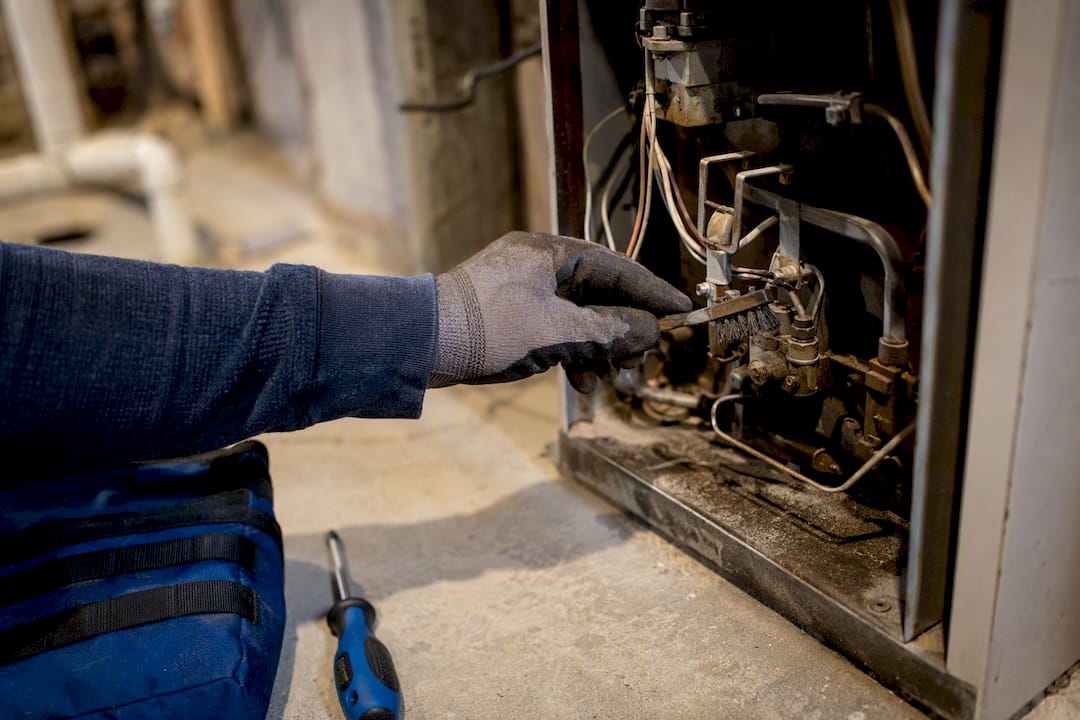
If your pilot light keeps going out, the cause is almost always one of four things: a worn thermocouple, a clogged pilot orifice, a draft disrupting the flame, or a failing gas control valve. If you smell gas, leave the house and call your gas utility immediately. If you don’t, you can try a safe relight, but stop after two failed attempts. Beyond that point, you’re dealing with a mechanical problem, not bad luck.
TL;DR:
- Replacing worn thermocouples is often the most effective fix for persistent pilot outages, as cleaning oxidized parts rarely restores full reliability.
- Clogged pilot orifices can cause flickering flames and are best cleaned with compressed air or alcohol-based swabs if accessible.
- Drafts and airflow disruptions outside the unit frequently extinguish pilots during windy conditions, requiring venting or drafting corrections.
- Technicians check gas pressure, thermocouple function, and venting during diagnostics, as recurring failures often originate from upstream gas supply issues or faulty components.
- Attempting to relight a pilot more than twice risks accumulating unburned gas, which is dangerous; professional inspection is necessary if outages persist.
Table of Contents
- What Causes a Furnace Pilot to Keep Going Out?
- How Do You Relight a Standing Pilot Safely?
- What Do Flame Color and Timing Tell You?
- What DIY Fixes Are Worth Trying?
- When Should You Call a Licensed HVAC Technician?
- What Does Recurring Pilot Failure Actually Tell a Technician?
- Get a Pilot Light Problem Fixed for Good
- Sources
What Causes a Furnace Pilot to Keep Going Out?
Most pilot light problems trace back to one of five culprits, and the fix depends entirely on which one you’re dealing with.
Thermocouple or thermopile failure. This is the single most common reason a pilot light won’t stay lit. A healthy thermocouple generates roughly 25 to 30 millivolts when the pilot flame heats it, and most gas valves need at least 7 to 10 millivolts to stay open. Once the thermocouple weakens from age or oxidation, it stops sending enough signal, and the valve shuts the gas off as a safety measure, whether or not the flame is actually still burning fine.
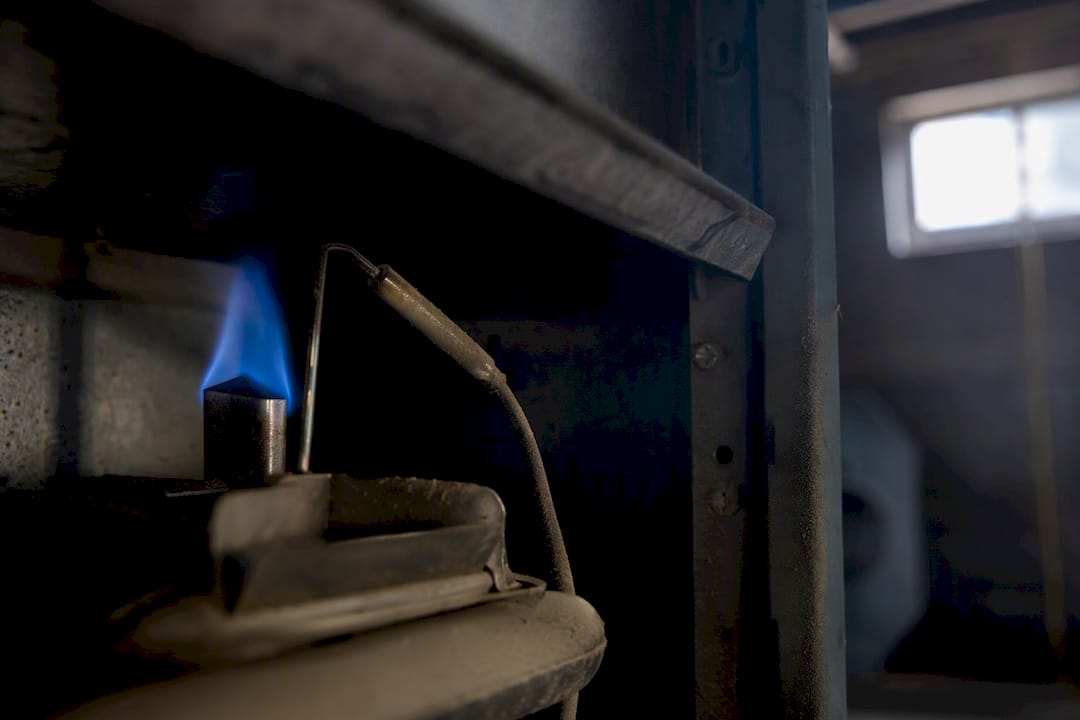
A clogged pilot orifice. These openings are tiny, often between 0.010 and 0.014 inches, so a speck of dust or a fleck of soot is enough to choke the flame down to a weak flicker that can’t heat the thermocouple properly.
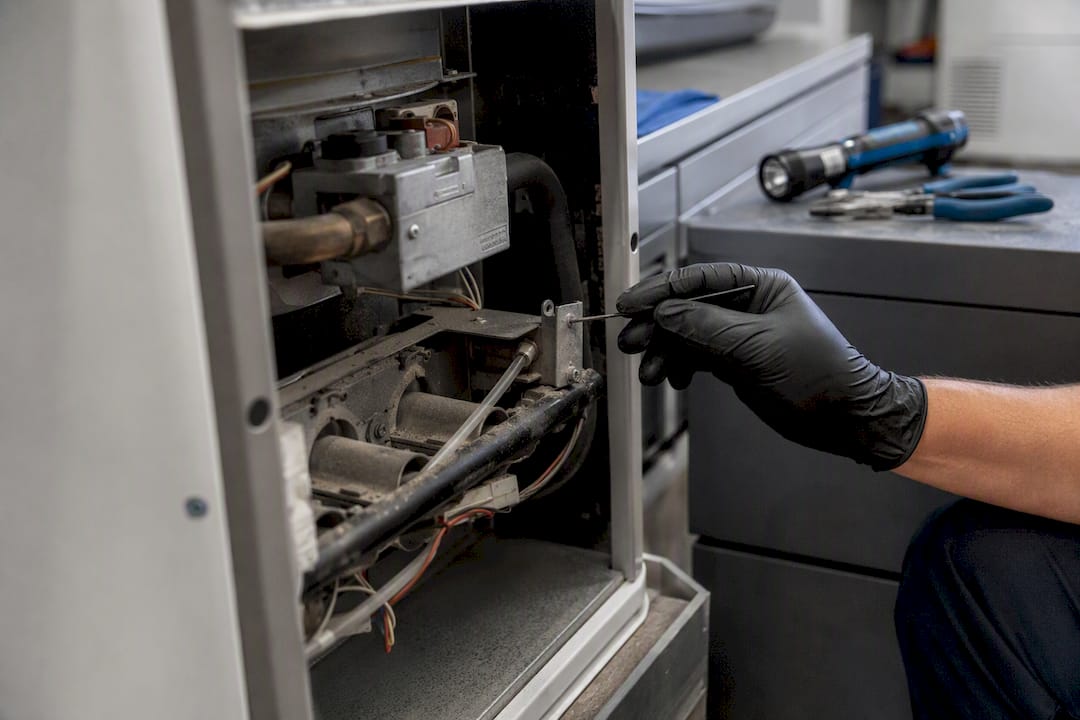
Drafts and airflow problems. A pilot that only goes out on windy days, or right after someone opens the back door, is usually being knocked out by moving air rather than failing internally.
Gas control valve issues. Inconsistent gas pressure or an aging valve can starve the pilot of fuel even when everything else checks out.
Combustion problems. A yellow, orange, or sooty flame signals incomplete combustion, and if the pilot sits inside an enclosed chamber you can’t see into, that’s a sign the issue needs professional eyes.
- Thermocouple or thermopile wearing out
- Dirty or clogged pilot orifice
- Drafts, downdrafts, or blocked venting
- Gas control valve malfunction
- Poor combustion (yellow flame, soot, sealed chambers)
How Do You Relight a Standing Pilot Safely?
Not every furnace or water heater uses a standing pilot anymore. Newer units often rely on electronic or hot-surface ignition instead, and there’s no pilot to relight on those models at all. Check your owner’s manual or look for a small knob labeled OFF, PILOT, and ON near the gas valve. If you don’t see one, don’t attempt this and call a technician instead.
If you do have a standing pilot, follow this sequence:
- Check for the smell of gas first. If you detect any, leave immediately and call your gas utility from outside. Do not attempt to relight anything.
- Turn the gas control knob to OFF and wait 5 to 10 minutes so any lingering gas can clear the area.
- Turn the knob to PILOT and hold it down. Light the pilot with a long lighter or match, and keep holding the knob for 30 to 60 seconds after ignition before releasing it.
- Release the knob slowly and watch the flame. If it stays lit, turn the knob to ON. If it goes out, you can try once more.
Pro Tip: Repeated relighting attempts allow unburned gas to build up in the combustion chamber, which is exactly the scenario safety codes are designed to prevent. Two tries is the limit for a reason, not a suggestion.
What Do Flame Color and Timing Tell You?
The pilot flame itself is a diagnostic tool, and reading it correctly saves you a guessing game. A steady blue flame with a small yellow tip at the top is normal and healthy. A weak, yellow, or orange flame points to incomplete combustion, and that can mean a dirty orifice, a draft problem, or in worse cases, venting or heat exchanger issues that need a technician’s evaluation.
Timing matters just as much as color. If the flame lights fine but dies the moment you release the control knob, that’s a textbook thermocouple failure. If outages only happen on windy days or when a door slams somewhere in the house, drafts are your prime suspect. If more than one gas appliance in the house is acting up at the same time, the problem may sit upstream in your gas supply pressure rather than in any single unit.
What you can safely check yourself: visible corrosion or a loose-looking thermocouple, soot streaks around the pilot assembly, and whether the flame wraps around the thermocouple tip or misses it entirely. What you shouldn’t attempt yourself: millivolt testing under load. Confirming that a thermocouple produces sufficient voltage while the burner is running is a technician-level check, and household multimeters aren’t set up to do it safely or accurately.
- Blue, steady flame = normal combustion
- Yellow, orange, or weak flame = incomplete combustion, needs inspection
- Dies on knob release = thermocouple
- Only fails on windy days = draft or venting issue
- Multiple appliances affected = gas supply or pressure problem
What DIY Fixes Are Worth Trying?
A couple of fixes are genuinely within reach for a comfortable homeowner, and a couple more are not.
- Cleaning the orifice: with the gas off, some designs let you access and clean the pilot orifice with compressed air or a cotton swab dipped in rubbing alcohol. Only do this if the assembly is externally accessible.
- Replacing the thermocouple: this is often an inexpensive, straightforward swap when the part is visible and reachable, and it’s frequently the actual fix rather than a temporary patch.
- What to skip: don’t open sealed combustion chambers, don’t attempt gas valve repairs yourself, and don’t keep relighting past two tries hoping the third time sticks.
Pro Tip: Technicians usually replace a worn thermocouple rather than clean it because an oxidized sensor rarely performs reliably again, even after a good cleaning. Parts are cheap enough that replacement beats the gamble.
When Should You Call a Licensed HVAC Technician?
Call a professional right away if you smell gas, see a yellow or orange flame, notice soot around the burner, have a carbon monoxide alarm sounding, or have already failed two relight attempts. Any one of those is a stopping point, not a “try again later” situation.
A technician’s visit typically includes a thermocouple millivolt test under load, a check of gas pressure and valve operation, an inspection of venting and draft patterns, and sometimes a combustion analysis to rule out carbon monoxide risk; for detailed diagnostics and repairs, see our furnace diagnostics and repair services. Costs vary by region and unit, but a thermocouple swap tends to run far less than a full gas valve replacement. Before the visit, jot down your unit’s model number, snap a photo of the pilot assembly, and note when the outages happen. It speeds up the diagnostic call considerably.
What Does Recurring Pilot Failure Actually Tell a Technician?
Recurring outages are rarely random. In the field, a pilot that goes out repeatedly almost always points to one of the same handful of culprits, and the pattern of when it fails usually gives away which one. Technicians tend to replace thermocouples outright rather than clean them, since a part that costs little to swap isn’t worth gambling on. The bigger issue with constant DIY relighting is what it hides: a venting problem or a valve on its way out doesn’t announce itself loudly, it just keeps quietly resetting until something worse happens. Diagnostics, thermocouple swaps, and venting corrections solve the actual problem instead of managing the symptom.
— John
Get a Pilot Light Problem Fixed for Good
Relighting the same pilot for the third or fourth time this month isn’t a fix, it’s a workaround. Brightonaircorp sends licensed technicians across New Jersey to run the actual diagnostics: millivolt testing on the thermocouple, gas pressure checks, venting inspections, and combustion analysis, so you get a real answer instead of another temporary relight.

On a service call, expect a straightforward diagnostic fee, a full safety check of the gas line and combustion chamber, and a written estimate before any repair work starts. Whether it’s a simple thermocouple replacement, a gas control valve issue, or a venting fix, the technician will walk you through exactly what’s wrong and what it costs to fix. Brightonaircorp also offers 24/7 emergency service, so a pilot that won’t stay lit on a cold night doesn’t have to wait until Monday. Schedule a diagnostic visit and get it resolved properly.
Sources
- How to light a pilot light
- How to test thermocouple on gas valve
- Solved! What to Do When Your Pilot Light Goes Out