
Under 30% or Over 50%? Humidifier vs Dehumidifier for Homeowners
Under 30% or Over 50%? Humidifier vs Dehumidifier for Homeowners
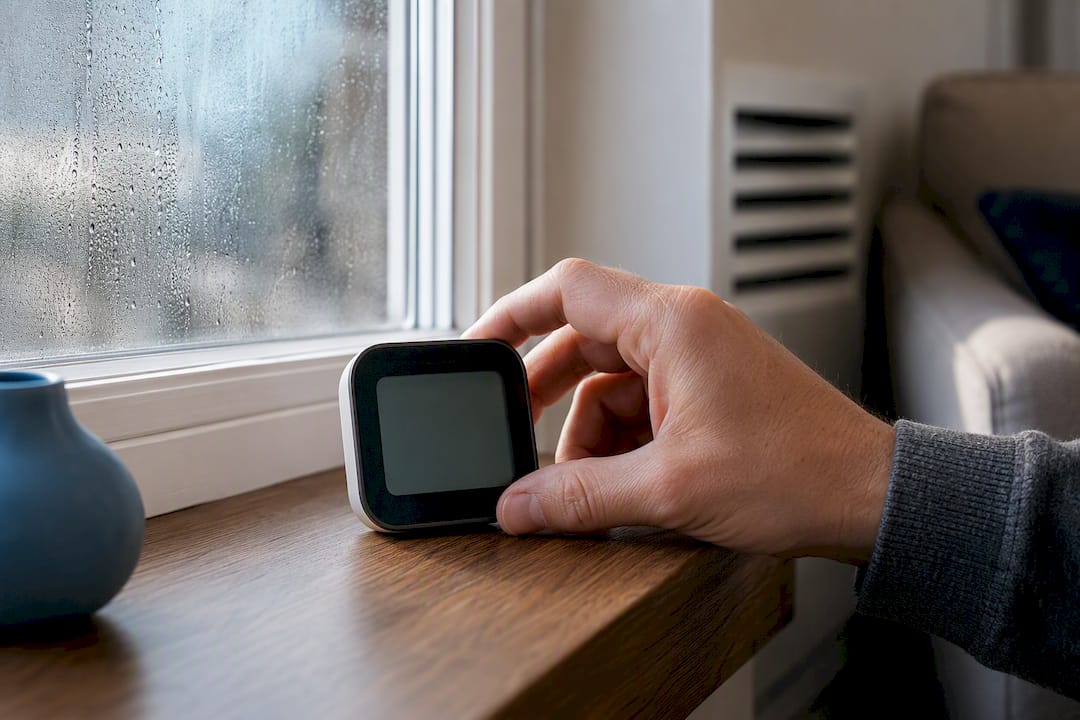
A humidifier adds moisture to dry air; a dehumidifier pulls moisture out of damp air. If a room reads below about 30 to 40 percent relative humidity, you need a humidifier. If it holds above about 50 to 60 percent, you need a dehumidifier. Skip the guessing and check a hygrometer before you buy either one.
TL;DR:
- Humidifiers are necessary if indoor humidity remains below 30-35%, especially in winter, to prevent skin and respiratory irritation.
- Dehumidifiers are recommended if humidity stays above 50-60%, particularly in basements and areas prone to mold growth.
- Proper device sizing and features like built-in hygrometers or continuous drains improve effectiveness and ease maintenance.
- Regular cleaning and use of distilled water reduce health risks from microbial contamination or mineral dust dispersal.
- A professional assessment is advisable for widespread humidity issues or persistent mold, beyond portable device capabilities.
Table of Contents
- Humidifier vs Dehumidifier: How Each One Actually Works
- Why the EPA’s 30 to 50 Percent Rule Matters
- Signs You Need a Humidifier
- Signs You Need a Dehumidifier
- The Simple Test That Settles the Question
- Maintenance Mistakes That Turn a Fix Into a Health Risk
- What to Look for When Buying Either Device
- When It’s Better to Call a Pro
- Get a Professional Humidity Assessment From Brightonaircorp
- Sources
- FAQ
Humidifier vs Dehumidifier: How Each One Actually Works
The two devices solve opposite problems with opposite mechanics, and that’s the whole basis of the humidifier vs dehumidifier comparison. A humidifier releases water vapor into the air, either by boiling it into steam, spinning it into a fine mist with an ultrasonic disc, or pulling it through a wet wick with a fan. A dehumidifier does the reverse: it draws air across a cold coil, condenses the moisture out, and collects the water in a tank or drains it through a hose. Desiccant models use a moisture-absorbing material instead of refrigerant coils, which matters in cold basements where standard compressors lose efficiency.
Each type comes with tradeoffs worth knowing before you plug one in:
- Evaporative humidifiers are self-regulating and low-risk but need frequent filter changes.
- Ultrasonic humidifiers run near-silent but can spray mineral dust and microbes into the room if neglected.
- Steam vaporizers kill more germs in the tank but use more electricity and pose a burn risk around kids.
- Refrigerant dehumidifiers work fastest in warm rooms but struggle below 65°F.
- Desiccant dehumidifiers handle cold basements better, though they run pricier per unit.
Why the EPA’s 30 to 50 Percent Rule Matters
Indoor comfort and building health both hinge on one number. The EPA recommends keeping indoor relative humidity between 30% and 50%, and staying under 60% at all times to limit mold growth.
By the Numbers: Relative humidity above 60% creates conditions where mold spores and dust mites multiply fastest, while readings below 30% dry out skin, wood trim, and respiratory tissue alike.
Both extremes can lead to issues over time, though the exact effects vary. Dry air may contribute to wood shrinkage and increased static shocks, while excessive moisture can promote conditions for mold growth and worsen allergy symptoms. A cheap hygrometer left in your main living space and checked over time tells you more reliably than human perception how humid the air actually is.
Signs You Need a Humidifier
Dry air announces itself in specific, checkable ways, not just vague discomfort:
- Static electricity everywhere — doorknobs shock you, hair stands up, laundry clings together.
- Cracked skin, chapped lips, or a scratchy throat that improves once you leave the house.
- Wood furniture or floors showing gaps as the material shrinks in dry conditions.
- A hygrometer reading under 30% to 35%, especially common once forced-air furnaces kick on for winter.
- Nosebleeds or sinus irritation that spike overnight in the bedroom.
Winter is prime humidifier season in most climates, since heating systems dry out already-cold air. Bedrooms and nurseries benefit most from a small unit running overnight, but don’t overshoot the target. Pushing a room past 50% just to “feel better” invites the exact mold and dust-mite problems a dehumidifier exists to solve.
Signs You Need a Dehumidifier
Excess moisture leaves physical evidence you can spot without any tool:
- Condensation beading on the inside of windows, especially in the morning.
- A musty, earthy smell in basements, closets, or crawl spaces.
- Visible mold spots on drywall, grout, or wood trim.
- Paint peeling or bubbling on interior walls.
- A hygrometer reading consistently above about 60 percent.
Basements are the classic dehumidifier zone, and the EPA specifically advises running one there to hold relative humidity between 30% and 50%, with evaporation trays cleaned frequently. For rooms used daily, a continuous-drain hose beats an all-manual reservoir. A standard central air conditioner also pulls some moisture out as a byproduct of cooling, but it’s not built to manage humidity on its own the way a dedicated dehumidifier is, so a dehumidifier vs AC decision usually isn’t either/or in a genuinely humid house.
The Simple Test That Settles the Question
Your nose and skin are bad judges of humidity. Objective measurement matters because human perception of air dryness or dampness is unreliable, often skewed by odor, dust, or room temperature rather than actual moisture content. Here’s the actual process:
- Buy an inexpensive hygrometer. A basic $10 to $50 unit gives homeowners enough accuracy to diagnose real condensation and humidity problems.
- Place it in the problem room, away from windows, vents, and exterior walls, and log readings morning and evening for a week.
- Interpret the pattern: consistently under 30% to 35% means humidify; consistently over 50% to 60% means dehumidify; anywhere in between usually means monitor and chase down specific triggers like a leaky pipe or unventilated bathroom.
- Check for physical clues alongside the numbers, window fog, musty smell, static shocks, since a single bad reading can be a fluke.
- Escalate to a professional assessment if multiple rooms read high or a duct shows condensation, since that points to a building issue rather than a room-level fix.
Pro Tip: Move the hygrometer between rooms every few days instead of buying five units. Basements, bathrooms, and bedrooms often read wildly differently in the same house, and one reading from the living room tells you almost nothing about the guest room over the garage.
Maintenance Mistakes That Turn a Fix Into a Health Risk
Both devices demand upkeep, and skipping it flips them from helpful to harmful. Poorly maintained humidifiers can aerosolize bacteria, mold spores, and mineral dust straight into the air you breathe, a risk that’s highest with ultrasonic and cool-mist models and lowest with steam units, which run hot enough to kill most microbes in the tank.
- Empty and refill cool-mist and ultrasonic tanks daily; deep clean weekly per the manufacturer’s instructions.
- Use distilled water in ultrasonic units to cut down on mineral dust released into the room.
- Empty dehumidifier reservoirs regularly and clean coils, filters, and drain lines to prevent clogs and mildew buildup.
- Watch for a musty smell coming from the device itself, that’s a sign biofilm has already formed inside.
By the Numbers: Damp indoor environments are linked to higher rates of respiratory symptoms, and some observational studies found an association between humidifier use in children’s rooms and first-time diagnosed asthma, which underscores why cleaning schedules aren’t optional extras.
What to Look for When Buying Either Device
Sizing matters more than most shoppers expect. Manufacturer “coverage area” claims often assume ideal conditions, so buy slightly larger capacity than your square footage suggests, measured in pints of moisture removed or added per day.
- Built-in humidistat or hygrostat: lets the unit shut off automatically at your target humidity instead of running blind.
- Continuous drain or pump option: skips daily reservoir emptying, worth it for basements or heavy-use rooms.
- Washable or reusable filters: cuts long-term cost versus disposable wicks and cartridges.
- Noise rating: check decibel specs before putting a unit in a bedroom or nursery.
- Energy use: steam humidifiers and older refrigerant dehumidifiers draw noticeably more power than evaporative or desiccant alternatives.
If humidity trouble shows up in several rooms at once, or your ductwork sweats during humid months, a portable unit is treating a symptom. That’s a signal to look at vapor barrier and whole-home HVAC solutions instead of buying a second or third machine.
When It’s Better to Call a Pro
A single dry bedroom or damp closet is a portable-device problem. Widespread high humidity across multiple rooms, visible mold, recurring leaks, or condensation forming inside your ductwork points to something structural. A proper assessment checks vapor barriers, inspects ductwork for sweating or leaks, and weighs whole-home solutions against buying yet another standalone unit. Brightonaircorp has spent decades handling exactly these moisture calls across New Jersey homes, and in cases like recurring duct condensation, knowing when the situation calls for an [emergency HVAC diagnostic saves homeowners from cycling through devices that were never going to fix a building problem.
— John
Get a Professional Humidity Assessment From Brightonaircorp
If a hygrometer keeps confirming a problem no portable unit seems to fix, the issue is probably bigger than one room. Professional HVAC contractors often offer free estimates and moisture assessments, covering services beyond portable devices such as duct inspection, vapor barrier evaluation, and whole-home humidity control integrated into existing HVAC systems.

An assessment starts with a technician checking the rooms where you’ve logged high or low readings, then recommending a fix, whether that’s a whole-home dehumidification system, a furnace-mounted humidifier, or a repair to the source of the moisture itself. For homes with recurring leaks or musty basements, that kind of fix tends to outlast a string of portable units bought and returned over a few winters. Financing options are available for larger installs. Schedule a free estimate with Brightonaircorp to get a technician’s read on what your specific rooms actually need.
Sources
FAQ
Do I need a humidifier or dehumidifier for a stuffy nose?
It depends on your home’s humidity level. Dry air (below 30% RH) irritates nasal passages and calls for a humidifier, while damp, musty air (above 60% RH) often triggers congestion from mold or dust mites and calls for a dehumidifier.
When should you not use a humidifier?
Skip the humidifier if your hygrometer already reads above 50% RH, since adding more moisture at that point raises the risk of mold and dust mites rather than fixing anything.
How do I know if my room needs a humidifier or dehumidifier?
Place a hygrometer in the room for several days: readings consistently under 30% to 35% mean you need a humidifier, and readings consistently over 50% to 60% mean you need a dehumidifier.
Should I use a humidifier or a dehumidifier during the summer?
Most homes run more humid in summer, especially in coastal or muggy climates, which makes a dehumidifier the more common summer need, though air-conditioned homes in dry regions can still run low enough to warrant a humidifier.