
How Temporary Cooling and Heating Solutions Work
How Temporary Cooling and Heating Solutions Work
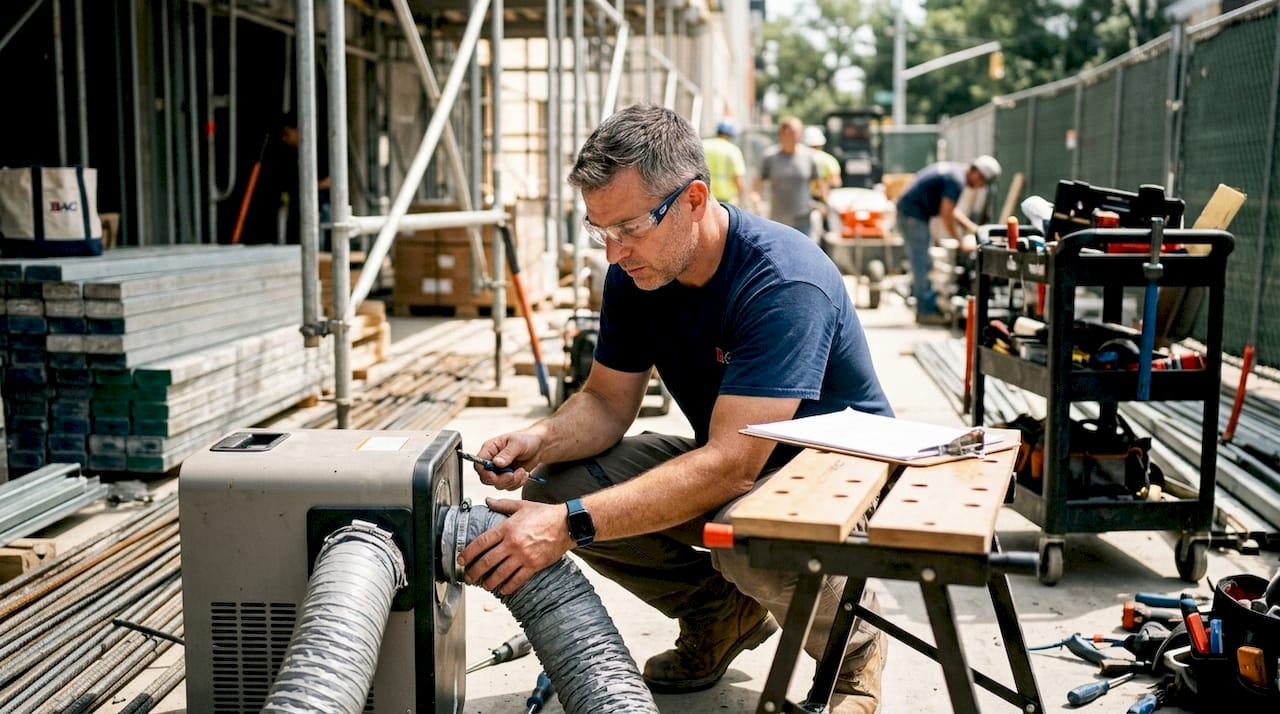
Temporary cooling and heating solutions are portable climate control systems that move heat energy from one place to another rather than generating or eliminating it outright. Understanding how temporary cooling heating solutions work gives property managers and homeowners a real advantage when a furnace fails mid-January, a construction crew needs warmth in an unfinished building, or a server room overheats during a renovation. These systems rely on two core technologies: the vapor-compression refrigeration cycle for cooling and heat pumps, and combustion or electric resistance methods for heating. Knowing which technology fits your situation prevents costly mistakes and wasted rental days.
How temporary cooling heating solutions work at the mechanical level
Cooling equipment does not produce cold air. It removes heat from a space and deposits that heat somewhere else. The engine behind this process is the vapor-compression refrigeration cycle, a four-stage loop that every portable air conditioner and heat pump uses.
The four stages work like this:
- Evaporator: Liquid refrigerant absorbs heat from indoor air and evaporates into a low-pressure gas. The air passing over the evaporator coil loses heat and returns to the room cooler.
- Compressor: The gas is compressed, raising its temperature and pressure dramatically. This is the stage that requires electricity.
- Condenser: The hot, high-pressure gas releases its heat to the outside air or water source and condenses back into a liquid.
- Expansion valve: The liquid refrigerant drops in pressure, cools rapidly, and cycles back to the evaporator to repeat the process.
12,000 BTU per hour equals one ton of cooling capacity in portable AC units. That benchmark matters because most rental equipment is rated in tons, and knowing it lets you translate a room’s heat load into a concrete equipment spec.
Portable cooling units come in three main configurations. Air-cooled units exhaust heat through a duct to the outside and are the most common choice for offices and retail spaces. Water-cooled units transfer heat to a water loop, making them quieter and more efficient in high-heat industrial settings. Heat pump units use a reversing valve to swap refrigerant flow, so the same machine that cools in summer can heat in winter. Heat pump portables operate efficiently in outdoor temperatures ranging from 24°F to 80°F.
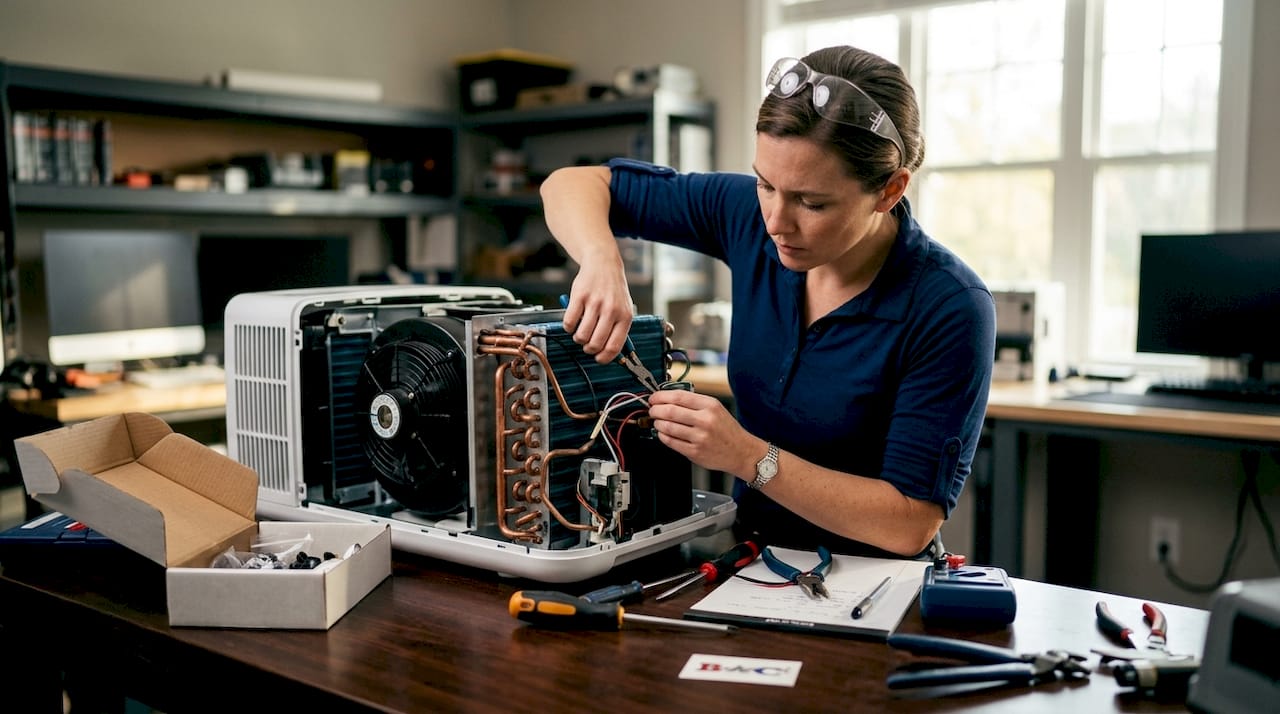
Pro Tip: Proper exhaust management is the single most common failure point in portable cooling. If hot exhaust air is not fully ducted outside, it recirculates indoors and the unit fights itself, raising room temperature instead of lowering it.
Humidity control is a secondary benefit that often goes unnoticed. As warm air passes over the evaporator coil, moisture condenses on the coil surface and drains away. In humid New Jersey summers, this dehumidification effect can make a space feel significantly more comfortable even before the temperature drops noticeably.
What types of temporary heating solutions generate heat
Temporary heating solutions fall into three main categories, each suited to different spaces, safety requirements, and fuel availability.
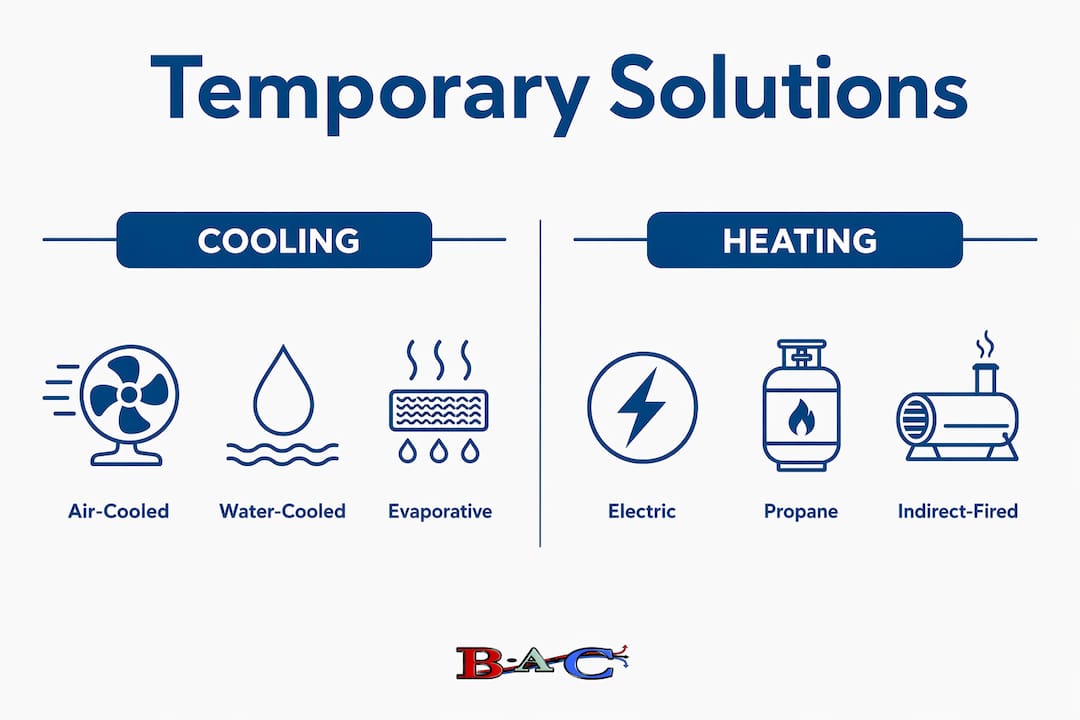
Electric resistance heaters convert electricity directly into heat at a one-to-one ratio. Every watt consumed produces one watt of heat. They are clean, quiet, and require no fuel storage or venting, which makes them ideal for small offices, server rooms, or occupied residential spaces during short-term outages. Their limitation is operating cost: electricity is more expensive per BTU than propane or natural gas in most of New Jersey.
Propane heaters use combustion to generate heat and deliver far higher output than electric units. Propane units deliver around 225,000 BTU, making them a standard choice on construction sites and in large uninsulated spaces like warehouses or garages. They require adequate ventilation and fuel supply management, but their portability and raw output are hard to match.
Industrial indirect-fired heaters are the preferred choice for occupied indoor spaces. These units burn propane or natural gas but vent all combustion exhaust outside through a dedicated flue. Indirect-fired heaters keep indoor air clean, dry, and free of carbon monoxide, unlike direct-fired units that release combustion byproducts directly into the heated space. Industrial models deliver between 205,000 and over 1,000,000 BTU, with ducting options that can distribute heat up to 150 feet from the unit.
Here is a quick comparison of the three heating types:
| Heating type | BTU range | Best use case | Air quality risk |
|---|---|---|---|
| Electric resistance | 5,000 to 50,000 | Small occupied spaces | None |
| Propane direct-fired | Up to 225,000 | Outdoor or well-ventilated areas | Moderate |
| Indirect-fired | 205,000 to 1,000,000+ | Occupied indoor spaces | None (exhaust vented out) |
Heat pumps deserve a separate mention because they blur the line between cooling and heating equipment. Heat pumps move two to three times more heat than the electricity they consume, compared to the one-to-one conversion of electric resistance heaters. In a mild New Jersey spring or fall, a portable heat pump unit can cut heating costs by more than half versus a comparable electric heater.
Pro Tip: If your temporary heating need spans more than a week and outdoor temperatures stay above freezing, a heat pump unit almost always costs less to operate than an electric resistance heater, even accounting for the higher rental rate.
How to size and select the right temporary equipment
Sizing is where most property managers and homeowners make expensive mistakes. The common rule of thumb is 40 to 75 BTU per square foot for estimating heating or cooling load, but that range exists because the actual number depends heavily on conditions that vary from building to building.
The factors that push your requirement toward the higher end of that range include:
- Poor insulation or missing insulation in walls, ceilings, or floors. An uninsulated warehouse needs far more BTU per square foot than a well-sealed office suite.
- High ceilings. A 20-foot ceiling in a warehouse holds far more air volume than a standard 9-foot residential ceiling. Volume, not just floor area, drives the load.
- Air infiltration. Open loading dock doors, gaps around windows, or frequent door traffic in a retail space constantly introduce unconditioned outside air.
- Occupancy and equipment. People generate heat. So do computers, commercial kitchen equipment, and manufacturing machinery. A server room with 20 racks generates a very different load than an empty conference room of the same size.
Accurate thermal load calculations require exact space dimensions, insulation R-values, occupancy counts, and a list of heat-generating equipment. Rental providers who ask for this information are doing their job correctly. Those who quote equipment based on square footage alone are setting you up for underperformance.
Pro Tip: When in doubt, size up by one unit rather than down. Running two smaller units at moderate capacity is more reliable and often more energy-efficient than pushing one undersized unit at maximum load around the clock.
For emergency situations, such as a boiler failure in a multi-unit residential building, prioritize speed of deployment over perfect sizing. A slightly oversized unit that arrives in four hours beats a perfectly sized unit that takes two days to source.
Common operational pitfalls and how to avoid them
Understanding how cooling systems operate and how heating units function is only half the job. The other half is avoiding the operational mistakes that reduce performance or create safety hazards.
Exhaust and fresh air management is the most overlooked factor in temporary climate control. Poor exhaust ducting is the leading cause of cooling failure in portable units. Every foot of improperly sealed duct connection is a leak point where hot exhaust air can re-enter the space. Use rigid duct sections where possible and tape all joints with foil HVAC tape, not standard duct tape, which degrades quickly under heat.
For heating, fresh air and return air management is equally critical. Indirect-fired heaters pull combustion air from outside and return clean heated air inside, but the unit still needs adequate return air flow to operate efficiently. Blocking the return air intake even partially causes the unit to overheat and cycle off.
Additional pitfalls to watch for:
- Refrigerant floodback. Running a portable AC in extremely cold conditions can cause liquid refrigerant to flood back into the compressor, causing mechanical damage. Always check the unit’s minimum operating temperature before deploying in cold weather.
- Moisture buildup from direct-fired heaters. Combustion produces water vapor as a byproduct. In a sealed space, direct-fired heaters can raise humidity levels enough to cause condensation on walls, equipment, and building materials.
- Overloading circuits. Large portable units draw significant amperage. Confirm available electrical capacity before connecting equipment, particularly in older buildings with limited panel capacity.
- Skipping professional setup. For units above 100,000 BTU or any installation involving gas connections, professional setup is not optional. Improper connections create carbon monoxide risks and void equipment warranties.
Monitoring superheat and subcooling levels in refrigeration systems protects compressors and confirms efficient heat transfer. This is a technician-level check, but asking your rental provider to verify these readings during setup is a reasonable request that separates professional service from a simple equipment drop-off.
Key takeaways
Temporary climate control systems work by moving heat through physical processes, not by creating or destroying it. Choosing the wrong equipment type or size is the primary reason these systems underperform.
| Point | Details |
|---|---|
| Heat movement, not creation | Cooling and heating systems relocate heat energy using refrigeration cycles or combustion. |
| Exhaust ducting is critical | Improperly vented exhaust air from portable ACs recirculates indoors and defeats cooling. |
| Indirect-fired heaters for indoors | These units vent combustion gases outside, keeping occupied spaces safe and dry. |
| Size beyond square footage | Insulation, ceiling height, occupancy, and air infiltration all affect the BTU requirement. |
| Heat pumps cut operating costs | Moving 2 to 3 times more heat per watt consumed makes heat pumps far cheaper to run than electric resistance heaters. |
What I’ve learned from years of temporary HVAC deployments
After working with temporary heating and cooling equipment across dozens of New Jersey properties, the pattern I see most often is not equipment failure. It is equipment misapplication. A property manager rents a 60,000 BTU portable AC for a server room with no exhaust duct path to the outside, and then calls to complain the unit does not work. The unit works fine. The installation does not.
The second most common issue is underestimating heat pump efficiency. Most property managers default to electric resistance heaters for temporary heating because they are familiar and simple. But in a mild climate like New Jersey’s spring or fall, a portable heat pump unit delivers the same warmth at roughly half the operating cost. The rental rate is slightly higher, but the electricity savings over a two-week deployment more than cover the difference.
What I find genuinely underappreciated is how much modular temporary units have improved for property managers specifically. Ten years ago, a large indirect-fired heater required a dedicated technician on-site for the full deployment. Today, units like the Heat Wagon VF400 are designed for faster setup with clearer controls, which means a competent facilities manager can handle routine monitoring without a technician standing by. That said, the initial setup and gas connection should always involve a licensed professional. The cost of that service call is trivial compared to the liability of a carbon monoxide incident in an occupied building.
My honest advice: treat temporary climate control as a short-term HVAC system, not a space heater you plug in and forget. Give it the same attention to sizing, venting, and maintenance you would give a permanent installation, and it will perform reliably. Cut corners on any of those three, and you will be making a second rental call within 48 hours.
— John
How Brightonaircorp can help with temporary climate control
When a heating or cooling emergency hits your New Jersey property, the last thing you need is guesswork on equipment sizing or installation.
Brightonaircorp has served New Jersey homeowners and commercial property managers since 1993, with over 150 years of combined technician expertise across HVAC repairs, installations, and emergency services. Whether you need a portable cooling solution for a commercial space during a system failure or a temporary heating setup for a construction project, the team at Brightonaircorp provides expert consultation to match the right equipment to your specific load requirements. From initial sizing through professional setup and ongoing support, you get a partner who treats your temporary need with the same rigor as a permanent installation. Contact Brightonaircorp for a free estimate and same-day emergency response across New Jersey.
FAQ
How does a portable air conditioner actually cool a room?
A portable air conditioner uses the vapor-compression refrigeration cycle to absorb heat from indoor air at the evaporator coil and expel that heat outside through an exhaust duct. The cooled air returns to the room while the heat is permanently removed from the space.
What is the difference between direct-fired and indirect-fired heaters?
Direct-fired heaters release combustion exhaust directly into the heated space, which introduces carbon monoxide and moisture. Indirect-fired heaters vent all combustion gases outside, making them the safe choice for occupied indoor areas.
How many BTUs do I need for temporary heating or cooling?
The starting estimate is 40 to 75 BTU per square foot, but ceiling height, insulation quality, air infiltration, and occupancy all adjust that number significantly. A proper thermal load calculation from a qualified provider gives a far more reliable result than square footage alone.
Can one unit handle both heating and cooling temporarily?
Yes. Portable heat pump units use a reversing valve to switch between cooling and heating modes, operating efficiently in outdoor temperatures from 24°F to 80°F. They also deliver two to three times more heat per watt than electric resistance heaters, lowering operating costs.
When should I call a professional for temporary HVAC setup?
Any unit above 100,000 BTU or any installation requiring a gas connection requires professional setup. Improper gas connections create carbon monoxide risks and void equipment warranties, making the cost of a licensed technician a non-negotiable safety investment.
Recommended
- Cranford Westfield Summit Scotch Plns Fanwood Kenilworth Clark Rahway Livingston AC Repair Install Service HVAC Contractor Emergency Heat Pump Repair HVAC System Installation
- Cranford Westfield Summit Scotch Plns Fanwood Kenilworth Clark Rahway Livingston AC Repair Install Service HVAC Contractor Emergency Heat Pump Repair HVAC System Installation
- Cranford Westfield Summit Scotch Plns Fanwood Kenilworth Clark Rahway Livingston AC Repair Install Service HVAC Contractor Emergency Heat Pump Repair HVAC System Installation
- Cranford Westfield Summit Scotch Plns Fanwood Kenilworth Clark Rahway Livingston AC Repair Install Service HVAC Contractor Emergency Heat Pump Repair HVAC System Installation