
Home Heating Cost Reduction Tips That Actually Work
Home Heating Cost Reduction Tips That Actually Work

Home heating cost reduction tips are proven strategies that lower your utility bills and keep your home comfortable without wasting energy. Heating accounts for about 29% of the average U.S. home’s total utility bill. That makes it the single biggest energy expense most homeowners face. The good news is that combining thermostat management, air sealing, proper HVAC maintenance, and a few daily habits can cut your heating costs by 10%–30%. This article covers the most effective methods, grounded in Department of Energy guidance and real HVAC expertise from Brightonaircorp.
1. How can you optimize thermostat settings to save on heating?
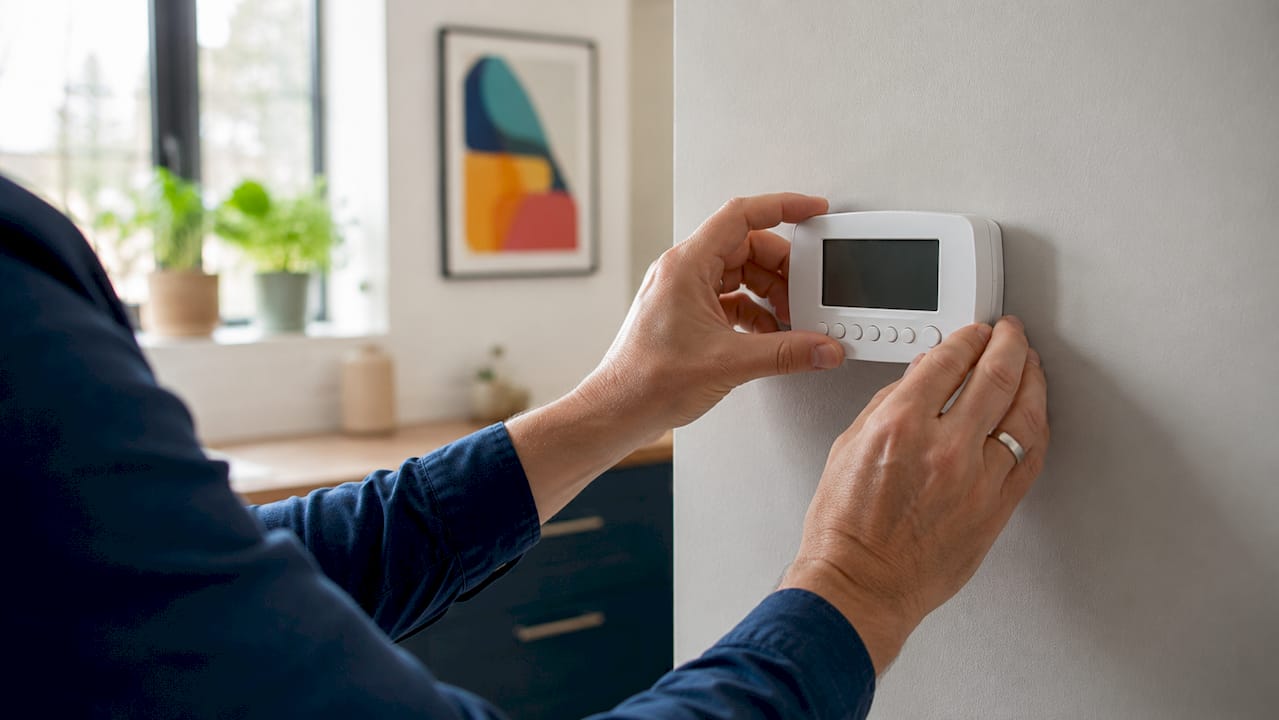
Your thermostat is the easiest lever you have for cutting heating costs. Setting it back 7°F–10°F for 8 hours each day can save you up to 10% annually. That 8-hour window lines up perfectly with your workday or overnight sleep schedule.
Programmable and smart thermostats automate this setback so you never have to think about it. You set a schedule once, and the system handles the rest. Models with Wi-Fi connectivity let you adjust settings remotely if your plans change.
Heat pumps work differently from gas furnaces. A heat pump should hold a consistent temperature rather than cycle through large setbacks. Aggressive setbacks force the heat pump to use auxiliary electric resistance heat to recover, which costs more than the setback saves.
One hard limit applies to every home: never let indoor temperatures drop below 55°F during extended absences. Temperatures below 55°F risk freezing pipes, which causes far more damage than any heating bill.
- Set a weekday schedule that drops temps during work hours and overnight.
- Set a weekend schedule that reflects when you actually occupy different rooms.
- Use a smart thermostat app to monitor energy use and spot patterns.
- If you have a heat pump, consult Brightonaircorp before setting aggressive temperature setbacks.
Pro Tip: Program your thermostat to start warming the house 30 minutes before you wake up. You get comfort without running the heat all night.
2. What home sealing and insulation methods reduce heating costs?
Air leaks are silent budget killers. Caulking and weatherstripping around doors and windows can reduce your heating bills by 10%–20%, and the materials typically cost under $30. That is one of the best returns on investment in home energy efficiency.
Attic insulation delivers the next biggest payoff. Heat rises, and an under-insulated attic lets it escape directly into the cold sky above. Adding insulation to meet current Department of Energy recommendations for your climate zone pays back in lower bills for decades.
Window treatments also matter more than most homeowners realize. Keeping south-facing curtains open during daylight hours lets free solar heat into your home. Closing them at night creates an insulating barrier that can prevent up to 10% of heat loss from a room.
| Method | Estimated savings | Typical cost |
|---|---|---|
| Caulking and weatherstripping | 10%–20% on heating bills | Under $30 in materials |
| Attic insulation upgrade | Significant long-term reduction | Varies by home size |
| Insulating window treatments | Up to 10% heat loss reduction | $20–$100 per window |
| Door draft stoppers | Noticeable reduction in drafts | Under $15 per door |
- Check for gaps around electrical outlets on exterior walls and seal them with foam gaskets.
- Inspect the attic hatch for insulation and weatherstripping.
- Add door sweeps to exterior doors where you can feel cold air at floor level.
- Hire a professional energy auditor for hard-to-find leaks in older homes.
Pro Tip: Light a stick of incense near window frames and door edges on a windy day. The smoke reveals air leaks faster than any visual inspection.
Professional home energy audits can identify personalized improvements that save 5%–30% on energy bills. That range reflects how much variation exists between homes. An older New Jersey house with original windows and minimal attic insulation sits at the high end of that savings potential.
3. How does HVAC maintenance contribute to reducing heating expenses?
A neglected heating system works harder and costs more to run. Proper HVAC maintenance can reduce heating costs by 10% or more, and it extends the life of your equipment. Skipping maintenance is like skipping oil changes and expecting your car to run efficiently.
Filter changes are the most overlooked maintenance task. Replace HVAC filters monthly during peak heating season. A clogged filter restricts airflow, forces the blower motor to work harder, and reduces the heat your system delivers to each room.
Annual professional tune-ups catch problems before they become failures. A technician checks heat exchanger integrity, measures combustion efficiency, inspects electrical connections, and lubricates moving parts. Brightonaircorp has provided this kind of thorough seasonal service to New Jersey homeowners since 1993, with over 150 years of combined technician expertise on staff.
Ductwork deserves attention too. Leaky ducts can lose a significant portion of heated air before it reaches living spaces. A duct inspection and sealing job pays back quickly in rooms that previously never got warm enough.
- Replace the air filter every month from october through march.
- Clear at least 2 feet of space around all supply and return vents.
- Schedule a professional tune-up each fall before the heating season starts.
- Check the area around your furnace or boiler for unusual sounds or odors.
- Have ductwork inspected if some rooms stay cold despite adequate thermostat settings.
Closing registers in unused rooms seems logical but actually strains your HVAC system. Forced-air systems are designed to balance pressure across all vents. Closing vents increases static pressure, which can cause duct leaks and reduce overall efficiency. Keep all vents open and unobstructed.
Pro Tip: Schedule your annual HVAC tune-up in september or early october. Technicians are less busy before the heating rush, and you avoid the risk of a breakdown on the coldest night of the year.
You can also review a seasonal HVAC preparation checklist to make sure you cover every maintenance step before winter arrives.
4. What simple lifestyle changes help lower heating bills?
Behavioral changes cost nothing and deliver real savings. The goal is to stay comfortable at a lower thermostat setting, which directly cuts your bill.
Layering clothing and using blankets lets you drop the thermostat 2°F–3°F without feeling cold. That small shift, sustained all winter, adds up to meaningful savings. Thick socks and a good sweater do more than most people expect.
Ceiling fans set to spin clockwise in winter push warm air down from the ceiling. Clockwise fan rotation can save up to 10% on heating costs by redistributing heat that would otherwise stay trapped near the ceiling. Use the lowest fan speed to avoid creating a wind chill effect.
Solar gain is free heat. Open blinds and curtains on south-facing windows during daylight hours to let sunlight warm your rooms naturally. Close them as soon as the sun sets to trap that warmth inside.
- Set your water heater to 120°F. Water heating accounts for 14%–25% of home energy use, and most households never need water hotter than 120°F.
- Use draft stoppers at the base of exterior doors to block cold air at floor level.
- Close the fireplace damper tightly when the fireplace is not in use. An open damper acts like an open window.
- Cook and bake in the evening when possible. Oven heat adds warmth to your kitchen and adjacent rooms.
Zoned heating takes behavioral control a step further. Heating only the rooms you occupy, rather than the whole house, reduces energy waste. Zoned systems pair well with smart thermostats and can deliver targeted savings in larger homes.
Pairing these habits with seasonal lighting automation and other home efficiency upgrades compounds your savings across multiple utility categories.
Key takeaways
Combining thermostat management, air sealing, HVAC maintenance, and daily habits delivers the largest heating cost reductions, far more than any single fix alone.
| Point | Details |
|---|---|
| Thermostat setback saves 10% | Drop temps 7°F–10°F for 8 hours daily to cut annual heating costs by up to 10%. |
| Air sealing pays back fast | Caulking and weatherstripping cost under $30 and reduce bills by 10%–20%. |
| Filter changes protect efficiency | Replace HVAC filters monthly during heating season to maintain airflow and lower costs. |
| Lifestyle habits add up | Ceiling fans, solar gain, and lower water heater temps each trim your bill without spending money. |
| Professional audits find hidden losses | Energy audits identify savings of 5%–30% that DIY inspections typically miss. |
What I’ve learned after years of watching homeowners heat their homes
Most homeowners pick one tip and call it done. They install a smart thermostat, feel good about it, and stop there. The thermostat helps, but it does not fix the drafty basement door or the clogged filter that is choking the furnace.
The homes I have seen with the lowest heating bills share one trait: the owners treat efficiency as a system, not a checklist item. They seal the leaks, maintain the equipment, adjust their habits, and then add upgrades. Each layer compounds the one before it.
Maintenance is the piece that gets skipped most often, and it is the one that hurts most. A furnace running at reduced efficiency because of a dirty heat exchanger or a worn igniter costs you money every single day of the heating season. That cost is invisible until the system fails entirely.
My honest advice is to start with the free and cheap fixes: thermostat setback, filter changes, weatherstripping, and curtain management. Once those are in place, get a professional tune-up and an energy audit. The audit will tell you exactly where to spend money next, so you are not guessing.
The heating system failures that cost homeowners the most are almost always the result of deferred maintenance. Fixing a small problem in october costs a fraction of an emergency repair in january.
— John
Brightonaircorp’s heating efficiency services for New Jersey homeowners
Brightonaircorp has served New Jersey families since 1993, and seasonal HVAC maintenance is one of the most requested services every fall.

The team at Brightonaircorp performs full heating system tune-ups, filter inspections, duct checks, and efficiency consultations designed to maximize your savings before the cold sets in. With over 150 years of combined technician expertise, the company identifies problems that homeowners and general inspectors routinely miss. Professional service takes your DIY efforts further by addressing the mechanical issues that no amount of weatherstripping can fix. Visit Brightonaircorp’s homepage to schedule a seasonal checkup or request a free estimate.
FAQ
How much can I save with home heating cost reduction tips?
Whole-house efficiency strategies combining maintenance, sealing, insulation, and thermostat management can reduce heating costs by up to 30%. Individual fixes like thermostat setback or weatherstripping each deliver 10%–20% on their own.
What is the fastest way to lower my heating bill this winter?
Set your thermostat back 7°F–10°F during sleep and work hours. This single change saves up to 10% annually and costs nothing if you already have a programmable thermostat.
How often should I replace my HVAC filter in winter?
Replace your HVAC filter every month during peak heating season. A clogged filter reduces airflow, forces the system to work harder, and raises your energy bill.
Is it worth getting a professional energy audit?
A professional energy audit identifies personalized improvements that save 5%–30% on energy bills. For older homes with unknown insulation levels and original windows, the audit pays for itself quickly.
What temperature should I keep my home at to avoid frozen pipes?
Never let your home drop below 55°F, even during extended absences. Temperatures below that threshold risk freezing pipes, which causes damage far more costly than any heating bill.