
Safe DIY Checks for a Heat Pump Not Heating, Short Tech Checklist
Safe DIY Checks for a Heat Pump Not Heating, Short Tech Checklist
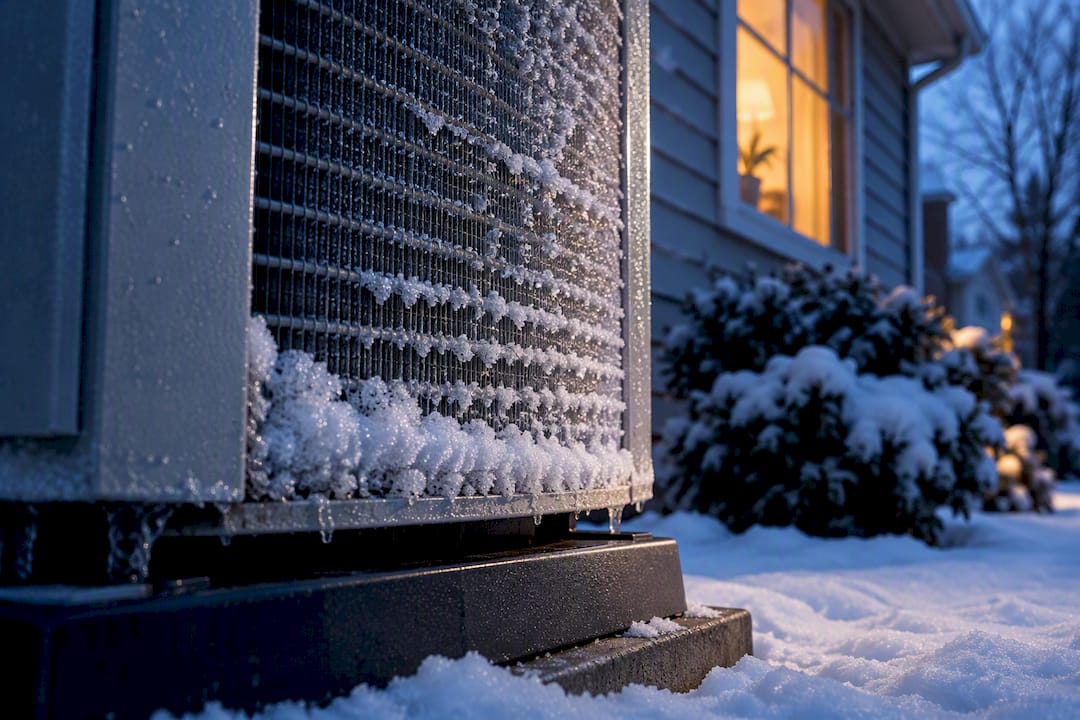
Most heat pump not heating complaints trace back to one of three things: a thermostat set to the wrong mode, a dirty filter choking off airflow, or the unit sitting through a normal defrost cycle that just looks like a malfunction. Start by checking the thermostat mode, the breakers, the indoor filter, and whether the outdoor unit is actually running. If you see ice that won’t clear, hear hissing, smell burning, or the outdoor unit stays silent, stop troubleshooting and call a certified technician.
TL;DR:
- Proper diagnosis starts with checking the thermostat settings, filters, breakers, and visual inspection of the outdoor unit, all within five minutes.
- Common homeowner errors include thermostat wiring, dirty filters, or ice buildup that does not clear after a defrost cycle, signaling the need for a technician.
- Critical signs requiring immediate professional service include persistent ice, hissing sounds, burning smells, and compressor or refrigerant leaks.
- A mismatched heat pump size can cause constant cycling or inadequate heating, often more than component failures in older systems.
- Routine maintenance like monthly filter checks and seasonal inspections can prevent most heat pump failures and improve efficiency.
Table of Contents
- Why Is My Heat Pump Not Heating? Common Causes Explained
- Heat Pump Troubleshooting Checklist: What to Check First
- When Should You Call an HVAC Technician?
- Maintenance That Prevents Most Heating Failures
- What We Ask Homeowners Before a Diagnostic Visit
- Is Your Heat Pump the Wrong Size for Your Home?
- Which Components Fail Most Often and Why It Matters
- How Extreme Cold Affects Heat Pump Performance
- Checking Electrical Components Without Getting Hurt
- Staying Warm While You Wait for Repairs
- A Homeowner’s Guide to Prioritizing Heat Pump Checks
- Get Your Heat Pump Fixed Fast With Brightonaircorp
- Sources
- FAQ
Why Is My Heat Pump Not Heating? Common Causes Explained
A heat pump that blows cold air, runs lukewarm, or won’t turn on almost always points to one of six problems. Some you can rule out in five minutes. Others need a licensed technician with gauges and test equipment.
Thermostat errors. If the fan switch is set to “On” instead of “Auto,” it runs constantly and pulls in air between heating cycles, which feels cold even when the system is working. A miswired O/B terminal, the wire that tells the reversing valve which direction to run, can also force the system into cooling mode while the display says “Heat.” Trane’s troubleshooting guidance points to this wiring issue as one of the more common causes of a heat pump blowing cold air.
Restricted airflow. A clogged filter, closed vents, or leaky ductwork can make a perfectly healthy heat pump feel ineffective. Air has nowhere to go, the system struggles to move heat, and rooms far from the air handler stay cold.
Defrost cycles versus real ice buildup. Outdoor units frost over in cold, humid weather, and a normal defrost cycle lasts 5 to 15 minutes before the unit resumes heating. Ice that doesn’t clear after a defrost cycle or that builds up again within an hour signals a fault, not normal operation.
Reversing valve and compressor issues. A stuck reversing valve keeps the system running in cooling mode no matter what the thermostat says. Compressor failure produces a similar symptom, cold or lukewarm air, but usually with unusual outdoor unit noise or a fan that spins without the compressor engaging.
Refrigerant leaks. Hissing sounds, oily residue near fittings, or frost on refrigerant lines suggest a leak. Refrigerant charging is not a homeowner task. EPA Section 608 certification is legally required to handle refrigerant, and undercharged systems can damage the compressor if left alone.
Power problems. A tripped breaker, an outdoor disconnect switch left off, or a flipped indoor service switch will stop the unit cold. These are safe to check visually. Opening panels or testing wiring yourself is not.
Heat Pump Troubleshooting Checklist: What to Check First
Work through these steps in order before you pick up the phone. Each one takes less than five minutes and none of them require tools.
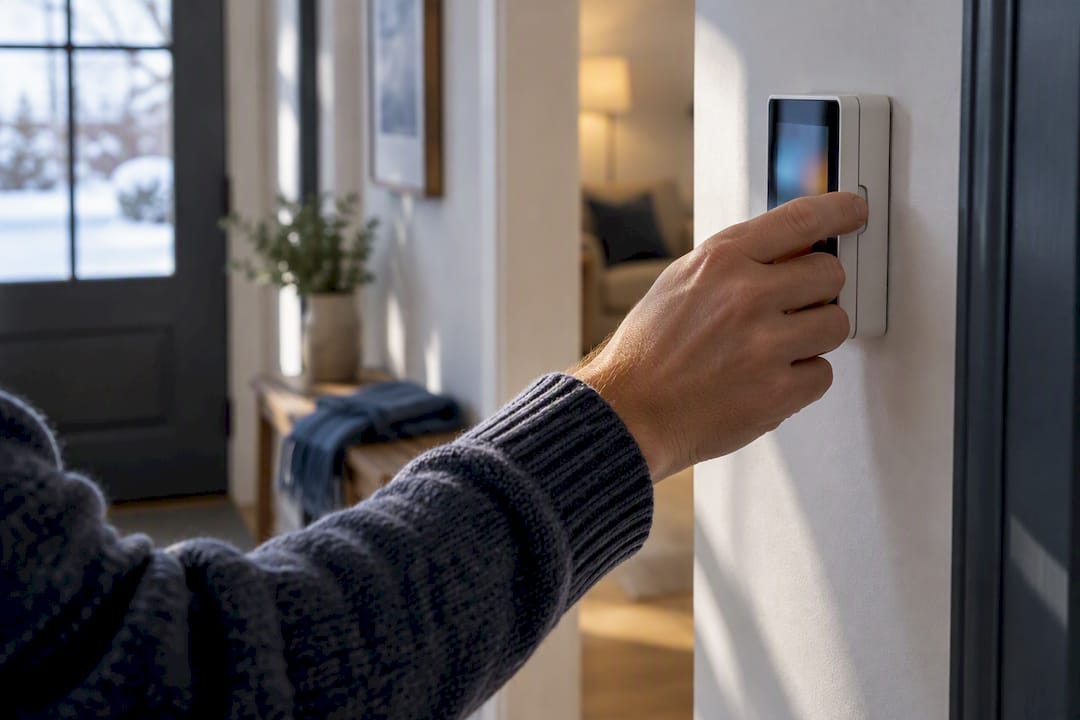
- Check the thermostat. Confirm it’s set to Heat, not Cool or Off, and that the setpoint is above the current room temperature. Note any messages on the display, like “Aux Heat,” “Emergency Heat,” “Defrost,” or a fault code, since these tell a technician exactly where to start.
- Inspect the filter and airflow. Pull the filter and hold it up to light. If you can’t see through it, replace it. Walk the house and confirm registers and return vents aren’t blocked by furniture or rugs.
- Check power without touching wiring. Look at the indoor service switch near the air handler and confirm it’s in the “On” position. Check your electrical panel for tripped breakers. Verify the outdoor disconnect box next to the condenser is switched on. Carrier’s troubleshooting checklist recommends these exact checks before calling for service, and none require opening an electrical panel.
- Observe the outdoor unit. Is the fan spinning? Can you hear the compressor running? Is there a thin layer of frost that’s clearly cycling through defrost, or a thick, persistent buildup of ice? Take a photo of anything unusual, including oily spots or ice, before you call anyone.
Pro Tip: Time how long the outdoor fan sits idle during what looks like a defrost cycle. Five to fifteen minutes is normal. Beyond twenty minutes with no resumption of heating, you’re likely looking at a defrost control fault, not a routine cycle.
Never add refrigerant yourself, chip away at ice on the coil, or bypass a tripped breaker or safety switch by forcing it. These actions risk equipment damage and, with electrical components, personal injury.
When Should You Call an HVAC Technician?
Some symptoms mean stop troubleshooting immediately. Persistent ice on the outdoor unit that doesn’t clear after a defrost cycle, hissing or oily residue near refrigerant lines, repeated breaker trips, any burning smell, or a compressor that won’t start at all are all reasons to call a professional rather than keep testing.
A technician’s visit typically covers ground a homeowner can’t safely reach:
- Confirming thermostat signals actually reach the reversing valve and control board correctly.
- Testing defrost control timing and reversing-valve response under load.
- Measuring airflow across the coil and checking ducts for leaks or blockages.
- Leak-checking the refrigerant lines and verifying charge, work that legally requires EPA Section 608 certification.
- Running electrical tests on the compressor, contactor, and control board to rule out failed components.
Homeowners lose 20 to 30% of conditioned air to duct leaks in a typical home, according to ENERGY STAR, which is why a competent diagnostic includes airflow and duct checks rather than jumping straight to a refrigerant recharge. Skipping that step is how homeowners end up paying for repairs that don’t fix the actual problem.
Maintenance That Prevents Most Heating Failures
Most heat pump emergencies are preventable. ENERGY STAR’s maintenance guidance recommends inspecting the filter monthly and scheduling a professional pre-season checkup before the heating season starts, and dirt and neglect remain leading causes of heat pump inefficiency and breakdowns.
A few habits catch problems before they become no-heat emergencies:
- Change or clean the filter monthly during heavy-use months.
- Keep the outdoor unit clear of leaves, snow drifts, and debris, but never cover it entirely, since that traps moisture and blocks airflow.
- Watch for roof runoff dripping onto the unit and refreezing, which creates ice buildup that looks like a defrost fault.
- Seal and insulate accessible ductwork; that 20 to 30% duct loss ENERGY STAR flags degrades comfort even when the heat pump itself is fine.
- Book a seasonal HVAC preparation checkup before the first cold snap rather than after a breakdown.
| Maintenance task | Frequency | What it prevents |
|---|---|---|
| Filter check/change | Monthly | Airflow restriction, weak heat output |
| Pre-season professional checkup | Once a year, before winter | Undetected refrigerant or control faults |
| Duct inspection/sealing | Every 1-2 years | Comfort loss from 20-30% duct leakage |
| Outdoor unit clearance | Ongoing, especially after storms | Frost buildup mistaken for equipment failure |
If your system is older than 10 to 15 years and keeps needing repairs, replacement planning starts making more financial sense than another round of patchwork fixes.
What We Ask Homeowners Before a Diagnostic Visit
Bring any thermostat fault codes, photos of ice or oily residue, the date you last changed the filter, and a rough timeline of when the problem started. Technicians typically inspect the control board, airflow, refrigerant charge, reversing valve, and electrical components on arrival. Brightonaircorp offers diagnostic visits, repairs, maintenance plans, 24/7 emergency service, free estimates, and financing options.
Is Your Heat Pump the Wrong Size for Your Home?
An undersized heat pump runs constantly and still can’t keep up on the coldest days, which homeowners often mistake for a mechanical failure. It’s not broken. It’s just working at its limit because the equipment was never matched to the home’s actual heat loss.
Oversized units cause a different problem: short cycling. The system reaches the setpoint fast, shuts off, then starts again minutes later, never running long enough to distribute heat evenly or dehumidify properly. That start-stop pattern also wears out the compressor faster than steady, longer run cycles would.
Sizing depends on square footage, insulation quality, window count and orientation, ceiling height, and local climate, not just tonnage rules of thumb. A heat pump sized for a well-insulated 1,800-square-foot home in a mild climate would leave a drafty, older home of the same size cold all winter. This is why a proper load calculation, not a guess based on the old system’s size, matters when you’re replacing equipment rather than just repairing it.
If your heat pump has never kept up, even before anything broke, sizing might be the real issue behind years of “not heating enough” complaints, not a component failure you can fix with a repair.
Which Components Fail Most Often and Why It Matters
Two components cause the majority of no-heat service calls: the compressor and the fan motor, and each fails in a distinct way that changes what a technician looks for.
The compressor is the heart of the refrigeration cycle. It’s what actually moves heat from outside air into your home. A failing compressor might run intermittently, trip breakers repeatedly, or hum without starting, a sign the start capacitor has failed. Full compressor failure often means the unit runs but produces no real heat at all, since it can no longer pressurize refrigerant properly.
The fan motor, either the outdoor condenser fan or the indoor blower, causes a different symptom pattern. An outdoor fan failure lets the coil overheat or frost over without the airflow needed for proper heat exchange. An indoor blower failure means you’ll feel almost no air movement from the registers, even if the thermostat is calling for heat correctly.
Other frequent failure points include the defrost control board, which decides when the system should reverse into defrost mode, and the contactor, an electrical relay that can pit and fail after years of cycling on and off. Component age matters here. A heat pump between 10 and 15 years old is statistically more likely to see one of these parts fail than a unit in its first five years of service, which is part of why persistent repairs on an older system often cost more over time than replacement.
How Extreme Cold Affects Heat Pump Performance
Heat pumps pull warmth from outdoor air, and that gets harder as the temperature drops. Below roughly 25 to 35°F, depending on the specific model, a standard heat pump’s capacity and efficiency decline, and the system leans more heavily on backup heat to make up the difference.
This is where auxiliary heat, sometimes labeled Aux or Emergency Heat on the thermostat, comes in. Auxiliary heat is electric resistance heat that kicks in automatically when the heat pump alone can’t keep up with demand, or manually if the outdoor unit is offline entirely. It works, but it’s expensive to run continuously, since resistance heating uses far more electricity than the heat pump’s normal compressor cycle.
If your thermostat shows “Aux Heat” lit up constantly rather than cycling briefly during genuinely frigid stretches, that’s worth mentioning to a technician. It can mean the heat pump itself isn’t contributing much, whether from a mechanical fault, low refrigerant charge, or a control issue, and the system is quietly running on expensive backup heat instead of doing its job.
Supply air from a heat pump normally runs 85 to 93°F, noticeably cooler than a furnace’s output and cool relative to body temperature even when everything works correctly. Don’t mistake that normal, slightly cool airflow for a broken system during a cold snap. The real test is whether the house temperature is actually climbing toward the setpoint, not how the air feels on your hand.
Checking Electrical Components Without Getting Hurt
Electrical faults account for a meaningful share of heat pump not heating calls, and homeowners can safely check some things while others are strictly off limits.
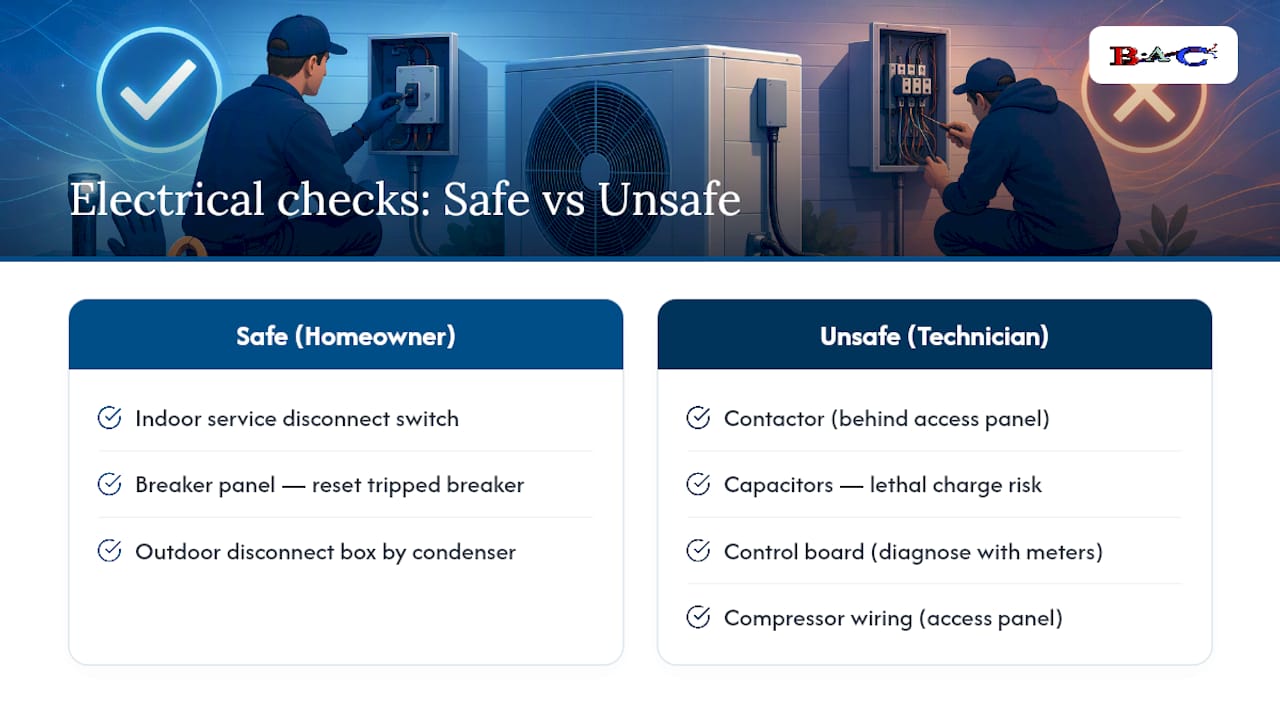
Safe to check: the indoor service disconnect switch near the air handler, the breaker panel for tripped switches, and the outdoor disconnect box next to the condenser unit. All three are designed to be operated by homeowners, flip a switch or reset a breaker, and observe what happens.
Not safe to check: anything behind an access panel, including the contactor, capacitors, control board, or compressor wiring. Capacitors can hold a lethal electrical charge even after power is disconnected, and misdiagnosing a control board fault without proper meters often leads to replacing the wrong part.
A technician testing electrical components will typically check voltage at the disconnect, test the contactor for pitting or failure to close, measure capacitor microfarad ratings against their rated spec, and verify the control board is sending correct signals to the reversing valve and defrost cycle. If a breaker keeps tripping after you reset it, that’s a strong signal of a short or a failing component, not a fluke, and it means stop resetting it and call for service instead.
Staying Warm While You Wait for Repairs
If the heat pump is down and a technician can’t come until tomorrow, a few short-term options keep the house livable without risking damage or safety.
Switching the thermostat to Emergency Heat, if your system has that setting, forces the system onto electric resistance backup heat and bypasses the outdoor unit entirely. It costs more to run, but it works when the compressor or outdoor unit has failed outright. Space heaters are a reasonable stopgap in one or two rooms, but never run them unattended, near bedding or curtains, or on an extension cord rated below their draw.
Close off unused rooms and shut their vents temporarily to concentrate available heat where you’re spending time. Layer up before you crank a backup heat source, since electric resistance heat costs meaningfully more per hour than a working heat pump. If temperatures inside drop toward the 50s overnight, treat it as a priority repair, not a weekend project, particularly if anyone in the home is elderly, very young, or has a health condition sensitive to cold.
Avoid the temptation to “fix” the outdoor unit yourself with a hair dryer on the coil or by pouring water to melt ice. Both risk electrical hazards and coil damage that turn a repairable problem into a replacement.
A Homeowner’s Guide to Prioritizing Heat Pump Checks
Do the free checks first: thermostat mode, filter, breakers, and a visual look at the outdoor unit. That handles a surprising share of “not heating” calls without spending a dime. The moment you see ice that won’t clear, smell anything burning, or hear hissing near refrigerant lines, stop and call a certified technician instead of pushing further.
Documenting what you see, photos, thermostat codes, when it started, shortens a technician’s diagnostic time and often lowers the repair bill, since less time gets spent re-tracing steps you already ruled out. None of this replaces routine maintenance. A seasonal checkup catches the small failures, a weak capacitor, a dirty coil, before they turn into a no-heat emergency in January.
— John
Get Your Heat Pump Fixed Fast With Brightonaircorp
If you’ve worked through the thermostat, filter, and breaker checks and the system still isn’t heating, it’s time for a real diagnosis. Technicians have many years of hands-on experience diagnosing common heat pump problems, from stuck reversing valves to refrigerant leaks that require certified handling.

A diagnostic visit checks the same things a technician would test in the field: control signals, defrost operation, airflow, refrigerant charge, and electrical components, so you get an actual answer instead of a guess. Emergency HVAC services, free estimates, and financing options may be available for repairs or replacements. Bring your notes and photos to the visit and the technician can move faster.
Ready to get warm again? Schedule AC and heat pump repair service or browse the full range of heating and HVAC services to find the right fit for your system.
Sources
- Maintenance Checklist | ENERGY STAR
- Heat Pump Not Heating? Troubleshooting Cold Air Issues
- Section 608 technician certification | EPA
- Heat pump reversing valve troubleshooting - Trane
FAQ
Why is my heat pump blowing cold air when the heat is on?
The most common causes are a thermostat fan set to “On” instead of “Auto,” incorrect O/B wiring affecting the reversing valve’s direction, or a normal defrost cycle in progress. Supply air also runs 85 to 93°F, cooler than a furnace, so it can feel cold even when the system works correctly.
How do you reset a heat pump?
Turn the thermostat off, flip the indoor service switch and the breaker off for a short time, then turn everything back on in reverse order. If the unit doesn’t restart or trips the breaker again immediately, stop and call a technician rather than repeating the reset.
Why is my heat pump fan running but no heat?
A running fan with no heat usually points to a failed compressor, a stuck reversing valve, or a refrigerant issue, since the fan motor and compressor operate independently. It can also mean the system is stuck in a defrost cycle longer than the normal 5 to 15 minutes.
What is the most common heat pump problem homeowners report?
Restricted airflow from a dirty filter is one of the most frequent causes, closely followed by thermostat setting or wiring errors. Both are checkable by homeowners in minutes before assuming a mechanical failure. Technicians commonly report that restricted airflow and thermostat issues account for many service calls that do not require major repairs.
How much does heat pump repair cost?
Repair costs vary based on the specific problem, from a simple capacitor swap to reversing-valve replacement. Brightonaircorp’s AC and heat pump repair pricing generally ranges from $150 to $600 depending on the issue, with a free estimate available before any work begins.