
When Duct Cleaning Pays: Evidence Based Signs It's Worth the Cost
When Duct Cleaning Pays: Evidence Based Signs It’s Worth the Cost
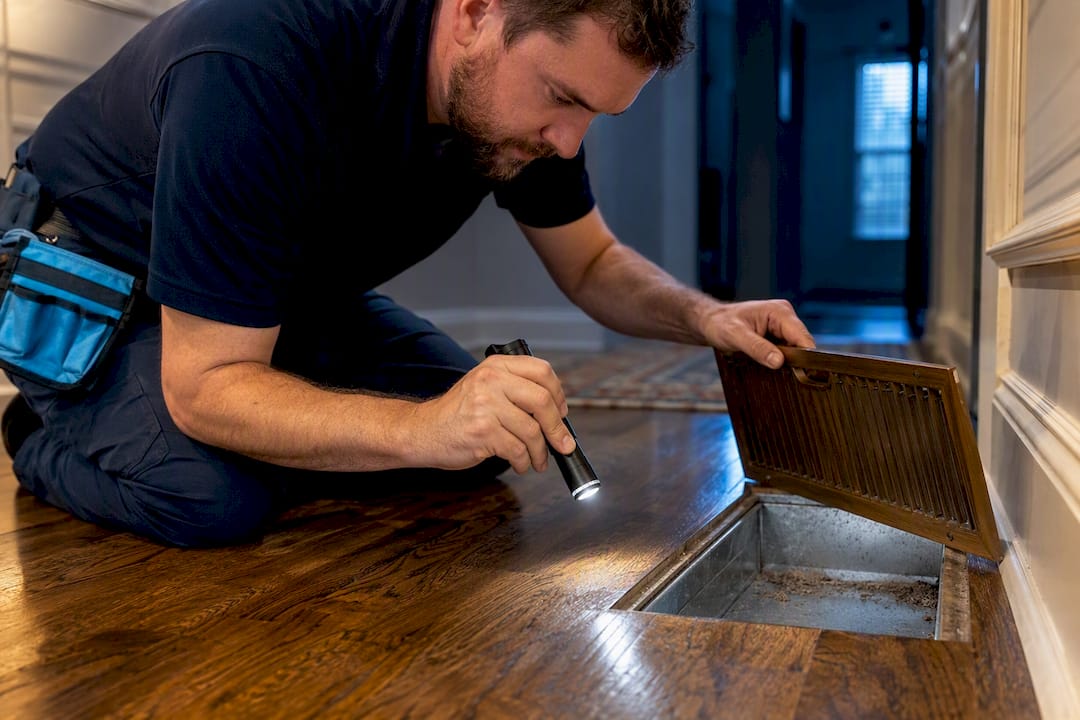
For most homes, routine duct cleaning is not worth the money. It only pays off in specific, observable situations: visible mold on hard duct surfaces, a pest infestation inside the ductwork, heavy construction debris after a renovation, or dust that’s visibly blowing out of your vents. If none of those apply, the smarter first move is an inspection, not a cleaning contract.
TL;DR:
- Duct cleaning is justified mainly for visible mold on metal ducts, pest infestations, post-construction debris, or vents discharging dust visibly.
- The EPA and scientific reviews find no consistent indoor air quality or health benefits from routine duct cleaning without clear, specific problems.
- Proper inspection, sealing, and upgrading filters provide more reliable improvements in air quality and energy efficiency than regular cleaning.
- Certified duct cleaning should include a visual inspection, proper containment, and transparent pricing, avoiding aggressive sales tactics or unnecessary chemicals.
- Most homeowners should prioritize sealing leaks, upgrading filters, and addressing humidity issues over frequent or routine duct cleaning.
Table of Contents
- Does Duct Cleaning Actually Help? A Checklist for When It’s Justified
- What Do EPA, Field Studies, and Reviews Say About Duct Cleaning Benefits?
- How Much Does Duct Cleaning Cost, and What Should Be Included?
- Better Alternatives: Filters, Sealing, Coil Cleaning, and Humidity Control
- How to Hire a Duct Cleaner Without Getting Scammed
- How Brighton Air Corp Approaches Duct and Indoor Air Quality Problems
- The Honest Take on Duct Cleaning
- Get a Straight Answer With a Free Duct and HVAC Inspection
- Sources
Does Duct Cleaning Actually Help? A Checklist for When It’s Justified
The EPA is blunt about this: duct cleaning “has not been shown to actually prevent health problems,” and the agency recommends it only as needed, not on a schedule. So the real question isn’t “should I clean my ducts every few years?” It’s “do I currently have one of the specific problems that cleaning actually fixes?”
Here’s how to sort that out room by room, vent by vent.
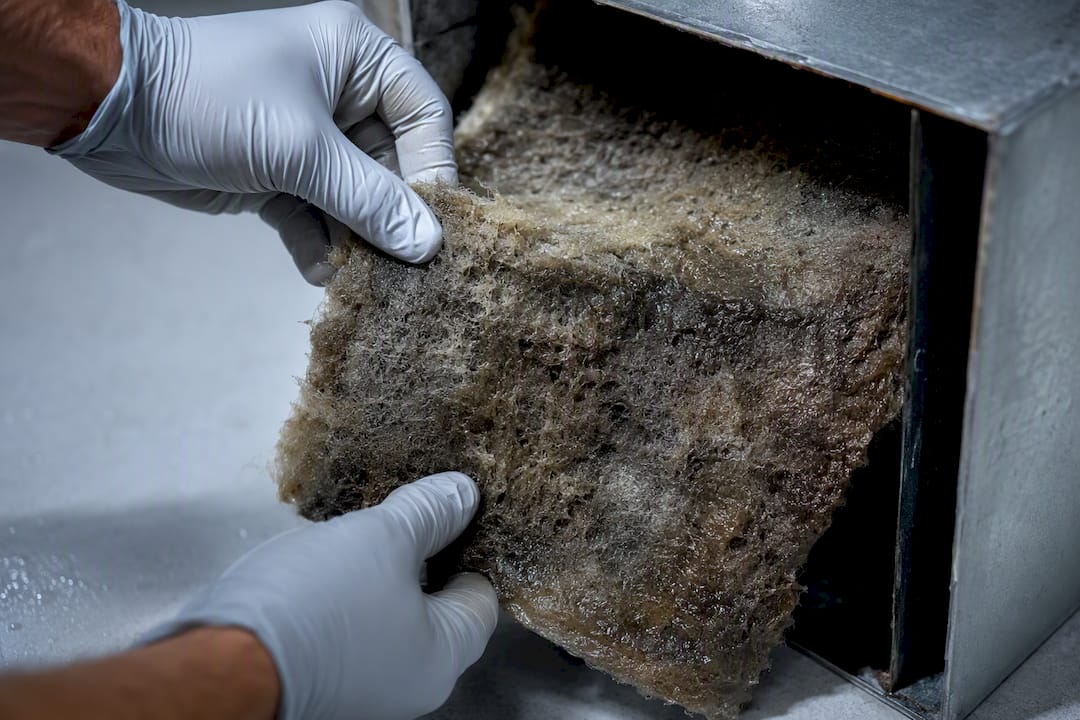
Visible mold growth on hard duct surfaces. Pull a register cover and shine a flashlight up into the duct run. Furry black, green, or white patches on sheet metal are a legitimate reason to act. But if the mold is growing on a porous fiberglass liner rather than bare metal, cleaning won’t solve it. That material needs to come out entirely, because mold embeds itself in the fibers and no vacuum or brush removes it reliably.
Vermin or insect infestation. Rodent droppings, shed insect casings, or a dead animal smell coming through the vents means something is living or died in your ductwork. This is one of the clearest “yes, clean it” scenarios, and it usually needs pest exclusion work alongside the cleaning, or the problem returns within a season.
Major debris after renovation or construction. Drywall dust, sawdust, and insulation fragments can get pulled into open duct runs during a remodel if the system wasn’t sealed off. This is common enough that some commercial cleaning specialists publish dedicated post-construction duct guidance, and it’s a genuinely useful case where cleaning restores performance instead of just polishing something that was already fine.
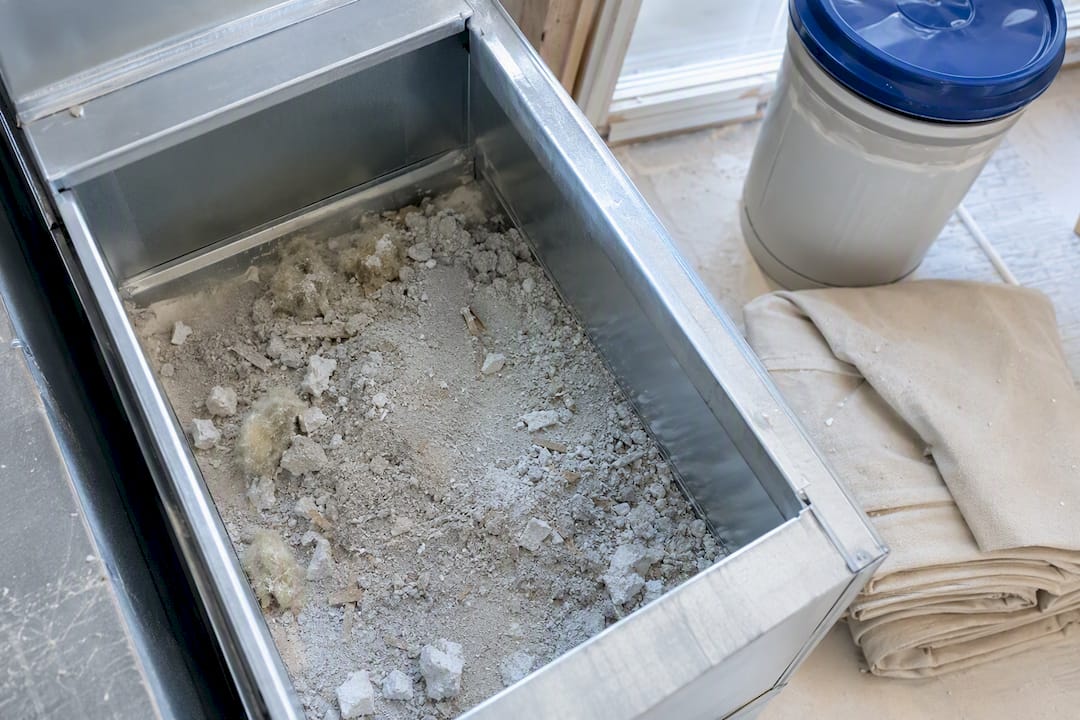
Dust or debris visibly discharging from vents. If you can see particles blowing into the room when the system kicks on, or you’re finding gray dust films on furniture near vents within days of dusting, that’s a mechanical airflow issue worth addressing. It’s not a cosmetic annoyance to ignore.
Water, flood, or fire damage. Ductwork that’s been submerged or exposed to smoke residue is a different category entirely. Wet fiberglass duct liner is a mold risk the moment it dries, and EPA guidance on porous liners is explicit that these materials should be replaced, not cleaned, once they’ve been wet.
Persistent musty odors with no obvious source. If you’ve ruled out the HVAC coil, drain pan, and nearby carpet or basement moisture and the smell tracks specifically to supply vents, ductwork is worth inspecting. Odor alone, though, is a weak signal on its own. It’s common for people to blame ducts when the real source is a dirty evaporator coil or a damp crawlspace.
Noticeable airflow restriction. Weak airflow at multiple registers, especially paired with higher-than-normal utility bills, can point to duct blockage. It can also point to a clogged filter, a failing blower motor, or leaky duct joints, so this symptom needs a real inspection before you assume cleaning is the fix.
Here’s a quick reference for matching what you see to what you do:
| What you observe | What to do |
|---|---|
| Mold on metal duct surfaces | Schedule targeted cleaning with containment |
| Mold on fiberglass liner | Replace the affected duct section |
| Rodent or insect activity | Cleaning plus pest exclusion |
| Construction dust after remodel | Targeted cleaning of affected runs |
| Vents visibly discharging dust | Inspection first, then cleaning if confirmed |
| Musty smell, no visible cause | Inspect coil and moisture sources before ducts |
| Weak airflow, higher bills | Full HVAC inspection, not cleaning by default |
Pro Tip: Before you call anyone, remove two or three register covers yourself and take photos with your phone’s flash on. A five-minute look tells you more than most phone quotes from a duct cleaning company, and it gives you leverage if a contractor tries to upsell you on something your ducts don’t actually show.
What Do EPA, Field Studies, and Reviews Say About Duct Cleaning Benefits?
The honest answer is that the science is thinner than the marketing around it. This isn’t a niche opinion. It’s the consistent finding across the agency guidance and the academic reviews that have actually looked at outcomes rather than assumptions.
Start with the EPA’s own position, which is the single most cited piece of guidance on this topic and worth quoting directly:
That’s the EPA’s core guidance, and it directly undercuts the “your ducts are making you sick” pitch that some sales-driven cleaning companies still lean on. The agency lists specific triggers for cleaning: visible mold, vermin or insect infestation, and substantial visible debris that’s actually restricting airflow or discharging into the room. Cosmetic dust on interior surfaces you can’t see doesn’t make that list.
The most concrete data point available comes from a nine-home field study conducted jointly with the National Air Duct Cleaners Association. Mechanical cleaning did what it’s supposed to do on the surface level: it physically removed deposited dust from duct interiors. But the airborne particle measurements told a messier story, with mixed results that didn’t show a consistent, reliable drop in the particles actually floating in room air. On the airflow side, the same field study found supply air flow increased between 4% and 32% in eight of the nine homes tested, a real but wide-ranging effect that depended heavily on how blocked the ducts were to begin with.

The energy angle is the part homeowners most often misjudge. A home with severely restricted ducts might see a genuine airflow bump from cleaning. A home with moderately dusty ducts and no real blockage is unlikely to notice its utility bill move at all. The study doesn’t support a blanket “cleaning saves you money” claim, and it doesn’t support “cleaning does nothing” either. It supports “it depends on your baseline condition,” which is a far less satisfying answer than either extreme, but it’s the accurate one.
A broader systematic review looked past that single study and asked whether duct cleaning, across the available research, reliably improves indoor air quality, occupant health, HVAC performance, or energy costs. The review’s conclusion was that evidence is insufficient to support those claims. Results varied widely from study to study, some measurements even showed pollutant levels rising after cleaning rather than falling, and the review flagged particular concern around the use of biocides and sealants during cleaning jobs without clear justification.
International reviews echo the same pattern. A Canadian technical review of duct cleaning research found no conclusive indoor air quality benefit across the studies it examined, with outcomes swinging in both directions depending on methodology and home conditions. This isn’t a case of one skeptical American agency versus enthusiastic industry data. It’s a consistent finding across independent bodies looking at the same underlying question from different angles.
On energy specifically, the Department of Energy points homeowners toward duct sealing and insulation as the proven, higher-impact fix for heating and cooling losses. Sealing leaky joints and insulating exposed runs address the actual physics of energy loss, conditioned air escaping through gaps, in a way that surface cleaning simply doesn’t touch.
Here’s the number that surprises most homeowners: a noticeable airflow increase sounds impressive but it varies widely and only occurs in homes that have meaningful blockage to begin with. A moderately dusty duct system in an average home likely sits at the low end of that range, if it moves at all.
One more caution worth sitting with: cleaning done poorly, with inadequate containment or the wrong equipment, can dislodge settled dust and temporarily push more of it into the air rather than out of the house. That’s a mechanical risk tied to execution quality, not a reason to avoid legitimate cleaning when it’s warranted, but it’s a real reason to care about who does the work if you decide you need it.
How Much Does Duct Cleaning Cost, and What Should Be Included?
Prices vary by region, home size, and how many supply and return runs the system has, but consumer-facing HVAC reporting generally puts a whole-home duct cleaning in the low hundreds to around $500 for a typical single-family house, with larger homes, multiple systems, or added coil and blower cleaning pushing costs higher. Complex commercial systems or homes with unusually long duct runs will land above that range.
What should that price actually buy you? A legitimate whole-home service includes:
- A pre-cleaning inspection with a camera or borescope to document actual duct condition, not just an estimate based on a phone call
- Physical containment of the work area, including sealing registers not currently being cleaned so dislodged dust doesn’t spread through the house
- HEPA-filtered vacuum equipment connected to the duct system, not a shop vac and a brush
- Cleaning of the register boots, main trunk lines, and, where included in the quoted scope, the blower compartment and coil
- Before-and-after photo documentation you can actually review
Watch for a few specific red flags in how a job is priced and pitched. A rock-bottom advertised price, sometimes $79 or less for a “whole house,” almost always turns into an upsell once the technician is on site, with sudden claims that you “need” sanitizing chemicals or duct sealants to finish the job safely. Biocide or sealant application should come with a specific, visible justification, like confirmed mold, not a blanket recommendation applied to every customer. Before you sign anything, ask for a line-item estimate that separates inspection, cleaning, and any chemical treatment into distinct costs, so you can say yes to what you need and no to what you don’t.
Better Alternatives: Filters, Sealing, Coil Cleaning, and Humidity Control
If your ducts don’t show one of the specific red flags covered above, there’s a good chance the money is better spent elsewhere in the system. Here’s the priority order that tends to deliver more measurable benefit per dollar than routine duct cleaning:
- Upgrade and replace filters on a real schedule. A higher MERV-rated filter captures more airborne particulate before it ever reaches the ductwork, and swapping filters every one to three months (more often with pets or allergies) does more for day-to-day indoor air quality than a one-time duct cleaning ever will. This is the single highest-leverage, lowest-cost move available to most households, and it directly addresses the pollutant source rather than a symptom of it.
- Seal and insulate leaky ductwork. The Department of Energy identifies duct sealing as a proven strategy for cutting heating and cooling energy loss, particularly in ducts that run through unconditioned attics, crawlspaces, or garages. Sealed, insulated ducts keep conditioned air where it’s supposed to go instead of leaking it into spaces you’re not paying to heat or cool.
- Clean the coil and blower assembly. These components accumulate grime that genuinely restricts airflow and drags down efficiency, and they’re inside the equipment you’re already having serviced for seasonal maintenance. Coil and blower cleaning is a targeted service with a clearer mechanism for improving both airflow and energy use than cleaning the duct runs themselves, and a piece on managing HVAC systems for larger buildings covers how this fits into a broader maintenance routine.
- Address humidity and ventilation directly. Musty smells and mold risk usually trace back to moisture control, not duct dust. A dehumidifier, better bathroom and kitchen exhaust ventilation, or fixing a damp crawlspace solves the actual source problem in a way duct cleaning can’t.
- Consider a standalone HEPA air purifier for specific rooms. For allergy or asthma concerns tied to airborne particulate, a room-level HEPA unit gives you filtration you control directly, and pairing this with the filtration benefits HEPA vacuums offer during any cleaning work adds a layer of containment most basic service contracts skip.
The exception where duct cleaning earns a spot on this list: after sealing is done and one of the justified triggers from the checklist above is confirmed, a targeted cleaning of the specific affected runs, paired with sealing, gives you the best combined outcome. Doing them in that order matters, since sealing after cleaning locks in the benefit instead of leaving newly cleaned ducts exposed to the same leaks that caused problems before.
Pro Tip: If your HVAC technician is already on site for a seasonal tune-up, ask them to check duct connections at the plenum and any accessible joints for daylight gaps or torn tape. Understanding what plenum space actually is in your specific system helps you ask sharper questions and spot obvious leaks yourself before a contractor points them out.
How to Hire a Duct Cleaner Without Getting Scammed
If your home meets one of the legitimate triggers for cleaning, screening the contractor matters just as much as deciding whether to hire one at all. This industry has a well-documented history of aggressive sales tactics, and a few simple questions filter out most of the bad actors before they ever set foot in your house.
Before the visit, get in writing:
- A specific, itemized scope of work naming which duct sections, registers, and equipment components will be cleaned
- Proof of liability insurance and, ideally, references from recent local jobs
- A price that separates inspection, cleaning, and any chemical treatment into distinct line items
- Confirmation of what standard, if any, they follow (NADCA’s ACR standard is the relevant industry benchmark)
During the visit, expect to see:
- A camera or borescope inspection of duct interiors before any cleaning starts, not a cleaning crew that shows up and immediately starts disassembling registers
- Physical containment, meaning unused registers get sealed off so dust doesn’t spread through rooms not being serviced
- HEPA-filtered vacuum equipment actually connected to the ductwork, visible and running, not a generic shop vac
One claim to challenge on the spot: if a technician tells you they’re “EPA-certified,” stop and ask what that means. The EPA does not certify duct cleaning companies, full stop. NADCA membership is a real industry credential worth asking about, but it’s a trade association standard, not a federal endorsement, and any contractor who conflates the two is either misinformed or being deliberately misleading.
After the job, you should walk away with:
- Before-and-after photos documenting duct condition
- A written explanation of what was found and what was done about it
- A workmanship warranty or guarantee in writing, not a verbal assurance
| Signal | What it means |
|---|---|
| Camera inspection offered before pricing | Legitimate, evidence-based approach |
| “EPA-certified” claim | Red flag, misrepresented credential |
| Rock-bottom advertised price with on-site upsells | Bait-and-switch tactic |
| Mandatory biocide or sealant with no visible justification | Unnecessary add-on |
| Written, itemized estimate | Standard of a trustworthy contractor |
| Before/after photo documentation | Sign of accountability |
If a company pressures you with health scare tactics rather than specific, visible findings from an actual inspection of your ducts, treat that as your answer. Reputable HVAC contractors explain what they found and why it matters. They don’t need fear to close the sale.
How Brighton Air Corp Approaches Duct and Indoor Air Quality Problems
A typical diagnostic visit starts the same way the checklist above recommends. Technicians pull registers, run a camera through accessible duct sections, and check the coil, blower, and drain pan before ever discussing cleaning as an option. Common on-site findings include:
- A dirty evaporator coil masquerading as a “duct” odor complaint
- Duct sections with torn or disconnected joints losing conditioned air into an attic or crawlspace
- Genuine mold growth confined to a specific run near a moisture source, rather than throughout the whole system
- Fiberglass duct liner degraded from a past water intrusion, which gets flagged for replacement rather than cleaning
When cleaning is warranted, it’s scoped to the affected sections and combined with fixing whatever caused the problem, whether that’s a leak, a pest entry point, or inadequate sealing. When it isn’t, the recommendation shifts to filter upgrades, sealing, or targeted coil and blower service instead. Estimates for these inspections are typically designed to give homeowners a specific finding and a specific recommendation, not a generic cleaning quote issued before anyone has actually looked at the ductwork.
The Honest Take on Duct Cleaning
The conventional pitch, get your ducts cleaned every few years for cleaner air and lower bills, doesn’t hold up against the EPA’s own guidance or the systematic review evidence. That’s not a controversial position. It’s the mainstream scientific one, even though it’s rarely the one homeowners hear from a sales call.
What gets underrated is how much more reliable the boring fixes are. A filter swap on schedule and sealed duct joints will do more for your air and your energy bill than a cleaning crew running a vacuum through your attic once. What gets overrated is the idea that dust in your ducts is quietly making your family sick. The evidence doesn’t support that fear, and contractors who lean on it are selling anxiety, not a service.
If you take one thing from this, take the inspection-first sequence: look before you pay, fix the source before you clean, and treat cleaning as a targeted repair for a specific problem rather than routine maintenance. That order of operations is where the actual value sits.
— John
Get a Straight Answer With a Free Duct and HVAC Inspection
If you’ve gone through the checklist above and something matches, mold on metal ductwork, pest activity, dust visibly blowing from vents, don’t guess at the next step. A technician may be sent out for a free estimate that starts with the same inspection process covered in this article: camera check, coil and blower review, and a look at what’s actually happening in your duct runs before anyone recommends a service.

The booking process is simple. You describe what you’re seeing (odor, dust, weak airflow, a visible problem), and the visit is scheduled around a real inspection rather than a phone-quoted cleaning package. If the findings point to duct sealing, coil cleaning, or a filter and airflow fix, that’s what gets recommended. If cleaning is genuinely warranted, it’s scoped to the specific sections that need it. Financing options may be available for larger repairs or replacements when the inspection turns up something bigger than a duct issue, like an aging coil or a blower nearing the end of its service life. For homeowners weighing repair against replacement costs more broadly, Brighton Air Corp’s lifecycle cost guide is a useful companion read before that estimate call.
Start with the inspection request through Brighton Air Corp and get a specific answer for your specific system, not a generic cleaning quote.