
AC Replacement Signs Checklist: Know When to Replace
AC Replacement Signs Checklist: Know When to Replace
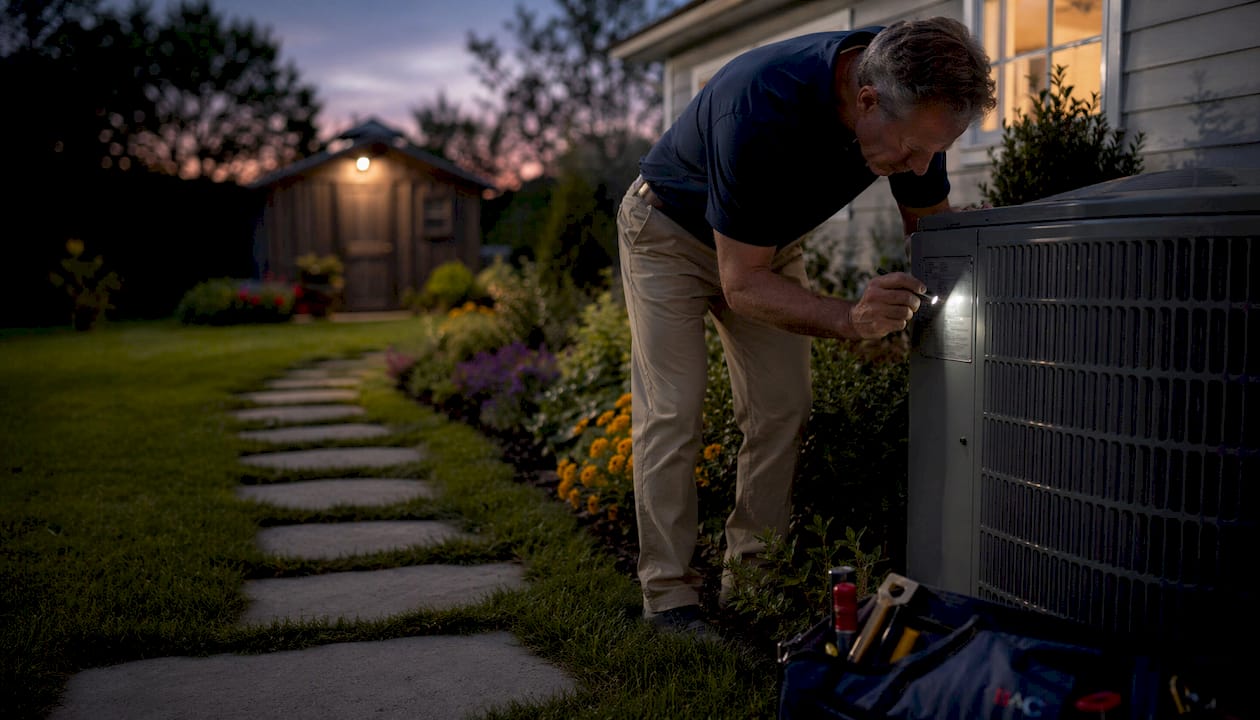
An AC replacement signs checklist is the most reliable tool for deciding whether your air conditioner needs to go. The industry term for this evaluation process is “repair versus replacement analysis,” and it combines physical warning signs with financial rules like the Rule of 5,000 and the 50% Rule. Most residential AC units last 10–15 years. When your system starts showing multiple failure indicators at once, patching it becomes more expensive than replacing it. The EPA’s complete phase-out of R-22 refrigerant in 2020 added another layer to this decision, making older systems even harder and costlier to maintain.
1. What are the most critical AC replacement signs?
Age is the first indicator on any AC unit replacement checklist. A system older than 15 years is operating past its expected service life, and declining performance with age is not a coincidence. Efficiency drops, parts wear out faster, and repair costs climb.
Rising energy bills without any change in usage patterns signal a system working harder than it should. Your utility costs go up because the unit can no longer cool your home efficiently. That gap between what you pay and what you get widens every season.

Uneven cooling across rooms is another clear warning sign. One bedroom freezes while another stays warm. That pattern points to failing components, poor airflow, or a system that can no longer distribute conditioned air properly.
Unusual noises like grinding, banging, or squealing are not normal AC sounds. They indicate mechanical failure inside the unit. Ignoring them rarely ends well.
- Age over 15 years: Performance declines sharply past this threshold.
- Frequent repairs: More than one repair per year signals a failing system.
- Rising energy bills: Costs climb without usage changes.
- Uneven cooling: Inconsistent temperatures room to room.
- Strange noises: Grinding, banging, or squealing require immediate attention.
- Humidity problems: Poor moisture control points to declining AC function.
- R-22 refrigerant: Systems using this phased-out refrigerant are prime replacement candidates.
Pro Tip: If your system uses R-22 refrigerant, check the label on the outdoor unit. The EPA’s R-22 phase-out in 2020 made this refrigerant scarce and expensive. Any repair requiring a refrigerant recharge on an R-22 system is rarely worth the cost.
2. How financial rules help you decide between repair and replacement
Two financial tools cut through the guesswork on repair versus replacement decisions. The first is the 50% Rule: if a single repair costs more than 50% of what a new system would cost, replace the unit. The second is more precise.
The Rule of 5,000 multiplies your system’s age by the estimated repair cost. If the result exceeds $5,000, replacement is the better financial move. For example, a 12-year-old unit facing a $500 repair scores 6,000. That number tells you the repair is not worth it.
The Rule of 5,000 outperforms the simpler 50% Rule for most homeowners. It accounts for age, which matters because an older system will keep generating repair costs even after you fix the current problem. A single repair on a new system is a different situation than the same repair on a system in its final years.
Compressor and evaporator coil failures almost always warrant replacement rather than repair. These are the most expensive components in the system. Paying to replace them on an aging unit is like rebuilding an engine in a car with 200,000 miles.
For a deeper look at HVAC lifecycle costs, tracking total spending over the system’s life gives you a clearer picture than any single repair estimate.
Pro Tip: Keep a repair log with dates and costs. When you apply the Rule of 5,000, you want the most recent repair estimate, not a guess. That log also shows your technician the full repair history at a glance.
3. How climate and maintenance history affect replacement timing
Geographic location directly affects how long your AC lasts. Hot, humid climates accelerate component fatigue and reduce service life compared to cooler, drier regions. New Jersey homeowners, for example, deal with humid summers that push systems harder than average.
Annual maintenance extends AC lifespan by 3–5 years. That is not a minor benefit. On a system that would otherwise fail at year 12, consistent maintenance could push that to year 15 or 17. Skipping annual tune-ups accelerates wear on every major component.
Ductwork condition matters more than most homeowners realize. Ducts typically last 20–25 years, which is longer than the AC unit itself. But damaged or poorly sealed ducts reduce system efficiency and cancel out the benefits of a new unit if they are not addressed at replacement time.
Neglected systems show their age faster. Dirty coils, clogged filters, and low refrigerant levels all force the compressor to work harder. That extra strain shortens the system’s life and raises your energy bills simultaneously.
- Hot, humid climates: Expect shorter service life and more frequent maintenance needs.
- Annual tune-ups: The single highest-return investment for prolonging AC life.
- Duct inspection: Damaged ducts reduce new system efficiency from day one.
- Maintenance records: A documented history helps technicians assess true system condition.
- Filter changes: Neglecting filters accelerates compressor wear faster than most homeowners expect.
A seasonal HVAC preparation checklist gives you a structured way to stay on top of these tasks before each cooling season.
4. Step-by-step AC unit replacement checklist
Use this checklist to evaluate your system’s condition before calling a technician or committing to a replacement decision.
1. Check system age and model information. Find the manufacture date on the data plate attached to the outdoor unit. If the system is over 10 years old, start tracking it closely. Past 15 years, replacement planning becomes a priority.
2. Review your repair history. Pull together every service record you have. One repair in five years is normal. More than one repair per year is a sign the system is failing.
3. Measure energy bill trends. Compare your utility bills from the past three summers. A steady increase without lifestyle changes points to declining efficiency.
4. Inspect for noises, airflow, and cooling consistency. Walk through your home during peak cooling hours. Note any rooms that feel warmer than others. Listen for grinding, banging, or rattling from the unit.
5. Verify refrigerant type. Check the outdoor unit label for refrigerant type. R-22 systems are expensive to maintain and should be prioritized for replacement.
6. Assess humidity control. Your AC removes moisture from the air as it cools. If your home feels sticky or muggy even when the system runs, the unit is losing its ability to dehumidify.
7. Get a Manual J load calculation. When you replace your system, proper sizing matters. Manual J load calculations determine the correct system size for your home. An oversized or undersized unit creates new problems immediately.
8. Plan replacement before peak season. Scheduling a replacement in spring or fall avoids the emergency pricing and longer wait times that come with mid-summer failures.
For a detailed look at what causes AC compressor failure, understanding the root causes helps you decide whether a repair is a real fix or just a delay.
5. When to call a professional technician for an HVAC inspection
A professional inspection gives you an unbiased assessment of the entire system, not just the part that failed. Technicians evaluate efficiency, ductwork condition, refrigerant type, warranty status, and overall system health in a single visit. That full picture is what separates a good replacement decision from a reactive one.
Safety issues override all financial rules. A cracked heat exchanger or severe electrical fault requires immediate replacement regardless of system age or repair cost. No cost-benefit calculation applies when there is a safety risk.
Technicians also apply the Rule of 5,000 in real-world diagnostics. They factor in repair history, current system condition, and local climate to give you a recommendation grounded in actual data rather than a single symptom. Early inspections prevent the most expensive outcome: an emergency replacement in the middle of a heat wave.
Proactive replacement planning supported by professional inspections helps you avoid breakdowns and maximize the efficiency gains from a new system. Scheduling an inspection before your system fails gives you time to compare options, apply for financing, and choose the right equipment.
Pro Tip: Ask your technician to evaluate ductwork condition during any replacement consultation. Compromised ducts reduce the energy savings from a new, efficient system. Fixing the unit without addressing the ducts is a partial solution at best.
For homeowners weighing AC repair versus replacement in similar climates, the same financial rules and warning signs apply regardless of region.
Key takeaways
A failing AC system rarely announces itself with a single dramatic failure. It shows up in rising bills, uneven cooling, and repair costs that keep climbing until replacement becomes the only financially sound option.
| Point | Details |
|---|---|
| Use the Rule of 5,000 | Multiply system age by repair cost; replace if the result exceeds $5,000. |
| R-22 systems need replacement | The EPA phased out R-22 in 2020, making repairs on these systems costly and impractical. |
| Maintenance extends lifespan | Annual tune-ups add 3–5 years to AC service life and delay premature replacement. |
| Safety issues override cost rules | Cracked heat exchangers and electrical faults require immediate replacement regardless of age. |
| Plan before peak season | Scheduling replacement in spring or fall avoids emergency pricing and installation delays. |
What I’ve learned from watching homeowners wait too long
I have seen the same pattern repeat itself for years. A homeowner notices the energy bills creeping up in june. The system starts making a noise in july. By august, it fails completely on the hottest day of the year, and now they are paying emergency rates for a rushed installation with limited equipment choices.
The checklist approach works because it forces you to look at the whole picture at once, not just the symptom in front of you. One sign rarely tells the full story. But age over 15 years, combined with rising bills and a recent repair, tells you everything you need to know.
The mistake I see most often is treating each repair as an isolated event. Homeowners approve a fix, feel relieved, and forget about it until the next failure. They never add up the cumulative cost or apply the Rule of 5,000. When they finally do, they realize they spent more on repairs over three years than a new system would have cost.
My honest advice: run through the checklist every spring before cooling season starts. If you score three or more warning signs, call a technician for a full inspection before the heat arrives. Proactive decisions cost less and give you better options than reactive ones.
— John
Brightonaircorp can help you evaluate your AC system
Deciding between repair and replacement is easier with a qualified technician walking through your home and your system’s history with you. Brightonaircorp has served New Jersey homeowners and businesses since 1993, with over 150 years of combined technician expertise across residential and commercial HVAC systems.

Brightonaircorp offers professional AC inspections, repair versus replacement evaluations, and full system installations. The team applies financial rules like the Rule of 5,000 alongside real-world diagnostics to give you a clear, honest recommendation. Financing options and free estimates are available for homeowners planning a replacement. Visit Brightonaircorp to schedule your inspection and get ahead of the next cooling season before it arrives.
FAQ
How do I know if my AC needs replacement or just a repair?
Apply the Rule of 5,000: multiply your system’s age by the repair cost. If the result exceeds $5,000, replacement is the better financial choice.
What is the average lifespan of a residential AC unit?
Most residential AC units last 10–15 years. Systems in hot, humid climates or those with poor maintenance histories often fail earlier.
Why does R-22 refrigerant matter for replacement decisions?
The EPA completed its R-22 phase-out in 2020. Refrigerant for these systems is now scarce and expensive, making any repair requiring a recharge financially impractical.
When should I call a technician instead of deciding on my own?
Call a technician immediately if you notice safety issues like electrical faults or unusual smells. For performance concerns, schedule an inspection before peak cooling season to avoid emergency replacement costs.
Does ductwork condition affect my replacement decision?
Yes. Damaged or poorly sealed ducts reduce the efficiency of a new system from day one. Always have ductwork inspected as part of any replacement consultation.