
9 Signs Your Boiler Needs Repair Before It Breaks Down
9 Signs Your Boiler Needs Repair Before It Breaks Down
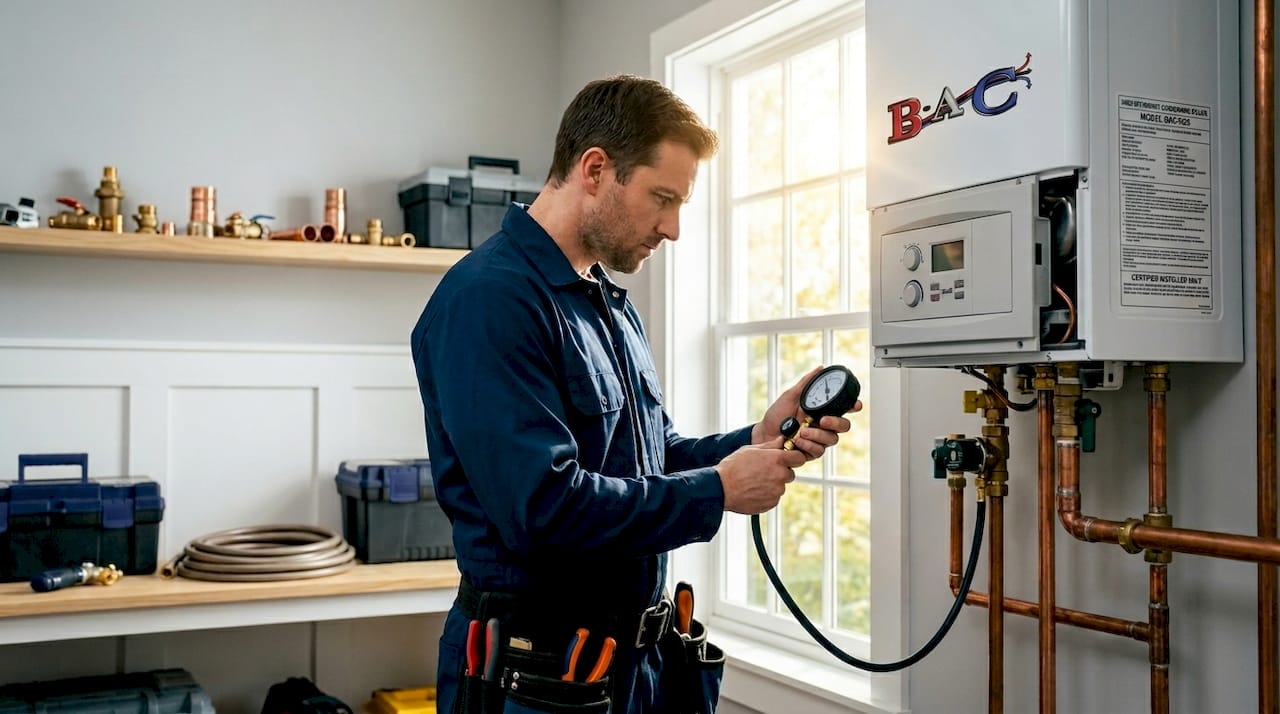
A boiler that needs repair sends clear, detectable warning signals long before it fails completely. Recognizing these signs early is the difference between a straightforward service call and a full system replacement. Homeowners in New Jersey deal with hard winters, and a boiler that’s quietly failing puts both comfort and safety at risk. The signs boiler needs repair range from strange noises and pressure drops to visible soot and gas odors. Each symptom points to a specific mechanical problem, and knowing what to look for puts you in control before a technician even walks through the door.
1. What are the most common noises that signal boiler troubles?
Your boiler should run quietly in the background. When it starts making noise, that noise is a diagnostic clue, not just an annoyance.
- Kettling or rumbling: A low, kettle-like rumble is the most common boiler malfunction sign. Kettling noises stem from limescale or sludge buildup on the heat exchanger, which traps water and causes it to overheat. This reduces efficiency and often requires a professional power flush to fix, not a simple mechanical adjustment.
- Banging: A sharp bang when the boiler fires up usually points to delayed ignition. Gas builds up before igniting, creating a small explosion inside the combustion chamber. This needs immediate attention.
- Gurgling: Gurgling sounds typically mean air is trapped in the system or the water pressure is too low. Bleeding your radiators often resolves this, but if it returns, a deeper system issue is likely.
- Whistling or screeching: High-pitched sounds often indicate a failing pump or a partially closed valve restricting water flow. Left alone, these components can fail entirely.
Ignoring boiler noise problems is one of the most common mistakes homeowners make. Early symptoms like kettling and small leaks can escalate into repairs costing hundreds of dollars if left unaddressed. That cost grows fast once secondary components start failing.
Pro Tip: Before calling a technician, note when the noise happens: at startup, during operation, or at shutdown. Also note whether it’s constant or intermittent. This information cuts diagnostic time significantly.
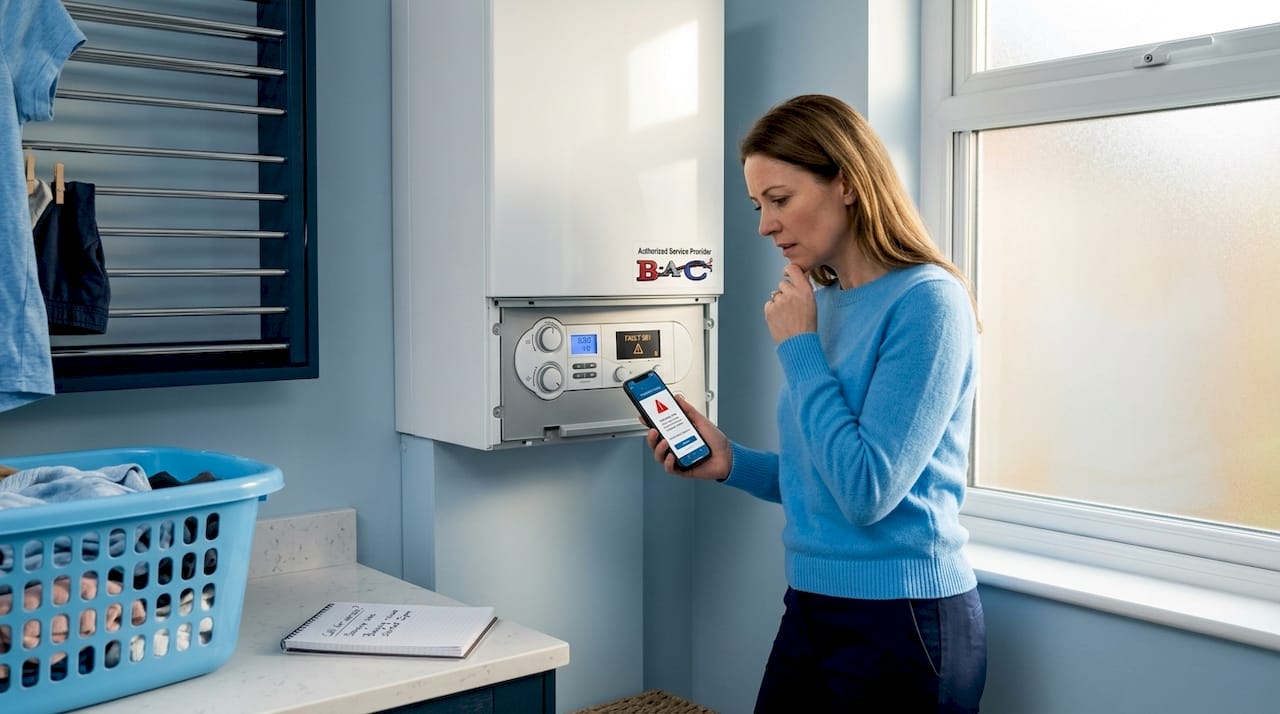
2. How to diagnose pressure issues and their repair implications
Boiler pressure is one of the clearest boiler repair indicators available to any homeowner. You don’t need tools or training to read it. You just need to look at the pressure gauge on the front of your boiler.
- Check the gauge reading. Normal operating pressure sits between 1.5 and 2 bar. The gauge typically has a green zone for safe operation and a red zone for high or low pressure. If your needle is outside the green zone, something is wrong.
- Track how often pressure drops. A one-time drop after bleeding radiators is normal. Repeated drops below 1 bar more than once a month signal a system leak or a faulty pressure release valve (PRV). This is not a problem that resolves itself.
- Look for visible leaks. If pressure keeps dropping and you can’t find an obvious cause, check around pipe joints, the PRV outlet, and the boiler body itself. Even a slow drip counts.
- Repressurize and observe. Your boiler handbook will explain how to top up pressure using the filling loop. If you repressurize and the pressure drops again within days, stop resetting it and call a professional.
Low boiler pressure is commonly overlooked until it starts affecting heating performance. By that point, the underlying cause has usually gotten worse. A Gas Safe registered engineer can identify whether the problem is a PRV, a system leak, or a failing expansion vessel.
Pro Tip: Write down the date and pressure reading every time you repressurize. If you’re doing it more than once a month, bring that log to your technician. It tells the story faster than any verbal description.
3. Identifying visual signs of combustion and leakage problems
Some boiler issues warning signs are visible to the naked eye. These are the ones you should never ignore, because they often indicate safety risks beyond simple mechanical failure.
- Sooty black marks: Dark staining on or around your boiler is a serious red flag. Sooty marks indicate incomplete combustion, which can produce carbon monoxide. Carbon monoxide is colorless and odorless, making soot the only visible warning you may get. Call a professional immediately.
- Yellow or orange pilot light: A healthy pilot light burns blue. A yellow or orange flame signals that the gas is not burning completely. Pilot light color changes are critical safety indicators, not comfort issues, and they require urgent professional inspection.
- Rotten egg smell: Natural gas is odorless, but utility companies add a sulfur compound so leaks are detectable. If you smell something like rotten eggs near your boiler, treat it as a gas leak. Leave the building, avoid using electrical switches, and call your gas provider from outside.
- Water pooling near the base: Visible leaks increase the risk of corrosion and internal component damage. Even a small drip worsens over time and can destroy parts that are expensive to replace.
Safety note: If you see soot, smell gas, or notice a yellow flame, do not attempt to diagnose or fix the problem yourself. These are symptoms of a faulty boiler that require a certified technician. Carbon monoxide poisoning is a leading cause of accidental death in the home.
4. What does inconsistent heating or sudden shutdowns say about boiler health?
When your boiler turns on and off unpredictably or certain rooms never warm up properly, the system is telling you something specific. These are not random quirks. They are boiler issues warning signs tied to identifiable causes.
- Cold spots in rooms: Unbalanced heating across rooms points to circulation problems or partially failing components. Sludge buildup in radiators is a common cause, and a power flush often resolves it. If the problem is isolated to one radiator, bleeding it first is a reasonable first step.
- Fluctuating temperature controls: If your thermostat is set to one temperature but rooms feel inconsistently warm or cold, the issue may be a faulty thermostat, a failing pump, or a heat exchanger problem. Replacing a thermostat is inexpensive. Replacing a pump is not.
- Boiler locking out repeatedly: Unexpected shutdowns and error codes often mean the boiler has triggered a safety lockout due to low pressure, a clogged flue, or a faulty sensor. Resetting the boiler once is fine. Resetting it repeatedly without fixing the root cause degrades system reliability fast.
- Error codes on the display: Modern boilers display fault codes when something goes wrong. Write down the code and look it up in your boiler manual. Brands like Worcester Bosch, Vaillant, and Ideal each use different code systems. The code tells a technician exactly where to start.
Troubleshoot the basics first. Check that your thermostat has power, that the programmer is set correctly, and that the pressure is in range. If none of those are the issue, the problem is mechanical and needs a professional.
5. Comparison of early repair signs versus urgent failure warnings
Not every boiler symptom carries the same urgency. Knowing which signs to monitor versus which signs require you to act today helps you prioritize correctly and avoid both panic and dangerous delays.
| Sign | Category | Recommended action |
|---|---|---|
| Pressure dropping below 1.5 bar | Early warning | Repressurize and monitor; call a pro if it recurs monthly |
| Kettling or gurgling noises | Early warning | Schedule a service call; ask about power flushing |
| Radiators heating unevenly | Early warning | Bleed radiators first; book inspection if it persists |
| Sooty black marks near boiler | Urgent | Stop using boiler; call a Gas Safe engineer today |
| Yellow or orange pilot light | Urgent | Shut off gas supply; call a certified technician immediately |
| Rotten egg or sulfur smell | Emergency | Leave the building; call your gas provider from outside |
| Water pooling at boiler base | Urgent | Turn off boiler; call for same-day repair |
Early detection and professional maintenance prevent escalation and improve both heating efficiency and safety. The cost difference between catching a PRV fault early and dealing with a flooded utility room is significant. Use this table as a quick reference when you notice something unusual.
Key takeaways
Catching the signs your boiler needs repair early prevents expensive failures, protects your home from carbon monoxide risk, and keeps your heating system running through the coldest months.
| Point | Details |
|---|---|
| Pressure below 1 bar monthly | Repeated drops signal a leak or faulty PRV; call a certified engineer. |
| Noises indicate internal damage | Kettling and banging point to limescale buildup or ignition failure requiring professional service. |
| Soot and flame color are safety alerts | Black marks and yellow flames indicate combustion problems with carbon monoxide risk. |
| Lockouts need root cause fixes | Resetting a boiler repeatedly without repair degrades reliability and risks full failure. |
| Early action saves money | Small issues caught early cost far less than emergency repairs or full replacements. |
What I’ve learned after years of watching homeowners wait too long
The pattern I see most often at Brightonaircorp is not dramatic. A homeowner notices a noise in October. They tell themselves it’s probably nothing. By January, the boiler locks out on the coldest night of the year, and now they need emergency service instead of a scheduled repair.
The uncomfortable truth about boiler maintenance is that the warning signs are almost never subtle. Kettling sounds like a kettle. Soot looks like soot. A yellow flame is visibly wrong. Homeowners aren’t missing these signs because they’re hard to detect. They’re missing them because they don’t know what the signs mean.
What I’ve found actually works is this: spend two minutes a week glancing at your pressure gauge and listening to your boiler when it fires up. That’s the entire maintenance habit. If something sounds different or the needle has moved, you investigate. That two-minute habit has saved homeowners I’ve worked with from repairs that ran into thousands of dollars.
The other thing worth saying plainly: carbon monoxide risk is real and it comes from the same boilers that show soot and yellow flames. A boiler that’s been making noise for three months and showing soot is not a comfort problem. It’s a safety problem. Treat it like one.
— John
Get your boiler inspected before a small problem becomes a big one

If any of the signs in this article sound familiar, the right move is a professional inspection before the problem gets worse. Brightonaircorp has served New Jersey homeowners and businesses since 1993, with over 150 years of combined technician expertise across heating, ventilation, and air conditioning systems. The team handles boiler repairs, pressure diagnostics, combustion checks, and emergency callouts available 24/7. Whether you’re hearing a noise you can’t explain or your pressure gauge keeps dropping, a certified technician can diagnose the root cause and fix it right the first time. Get a free estimate and schedule your boiler repair service with Brightonaircorp today.
FAQ
What are the first signs a boiler needs repair?
The earliest boiler repair indicators are pressure dropping below 1.5 bar, kettling or banging noises during operation, and radiators that take longer than usual to heat up. These symptoms point to specific mechanical problems that worsen without professional attention.
How do I know if my boiler is broken versus just needing a reset?
A boiler that locks out once after a pressure drop may just need repressurizing. If it locks out repeatedly or displays the same error code multiple times, repeated lockout codes signal a deeper fault requiring professional diagnosis.
Is a yellow pilot light on a boiler dangerous?
Yes. A yellow or orange pilot light indicates incomplete combustion, which produces carbon monoxide. This is one of the most urgent symptoms of a faulty boiler and requires shutting off the gas supply and calling a certified technician immediately.
Can I fix low boiler pressure myself?
You can repressurize a boiler yourself using the filling loop, following the steps in your boiler handbook. However, if pressure drops again within a few weeks, the cause is a system leak or faulty PRV that only a qualified engineer should repair.
How often should a boiler be serviced to avoid repairs?
Annual servicing by a certified HVAC technician is the standard recommendation. Regular maintenance catches early warning signs before they escalate and keeps the boiler running at full efficiency through peak heating season.
Recommended
- Cranford Westfield Summit Scotch Plns Fanwood Kenilworth Clark Rahway Livingston AC Repair Install Service HVAC Contractor Emergency Heat Pump Repair HVAC System Installation
- Cranford Westfield Summit Scotch Plns Fanwood Kenilworth Clark Rahway Livingston AC Repair Install Service HVAC Contractor Emergency Heat Pump Repair HVAC System Installation
- Cranford Westfield Summit Scotch Plns Fanwood Kenilworth Clark Rahway Livingston AC Repair Install Service HVAC Contractor Emergency Heat Pump Repair HVAC System Installation
- Cranford Westfield Summit Scotch Plns Fanwood Kenilworth Clark Rahway Livingston AC Repair Install Service HVAC Contractor Emergency Heat Pump Repair HVAC System Installation